
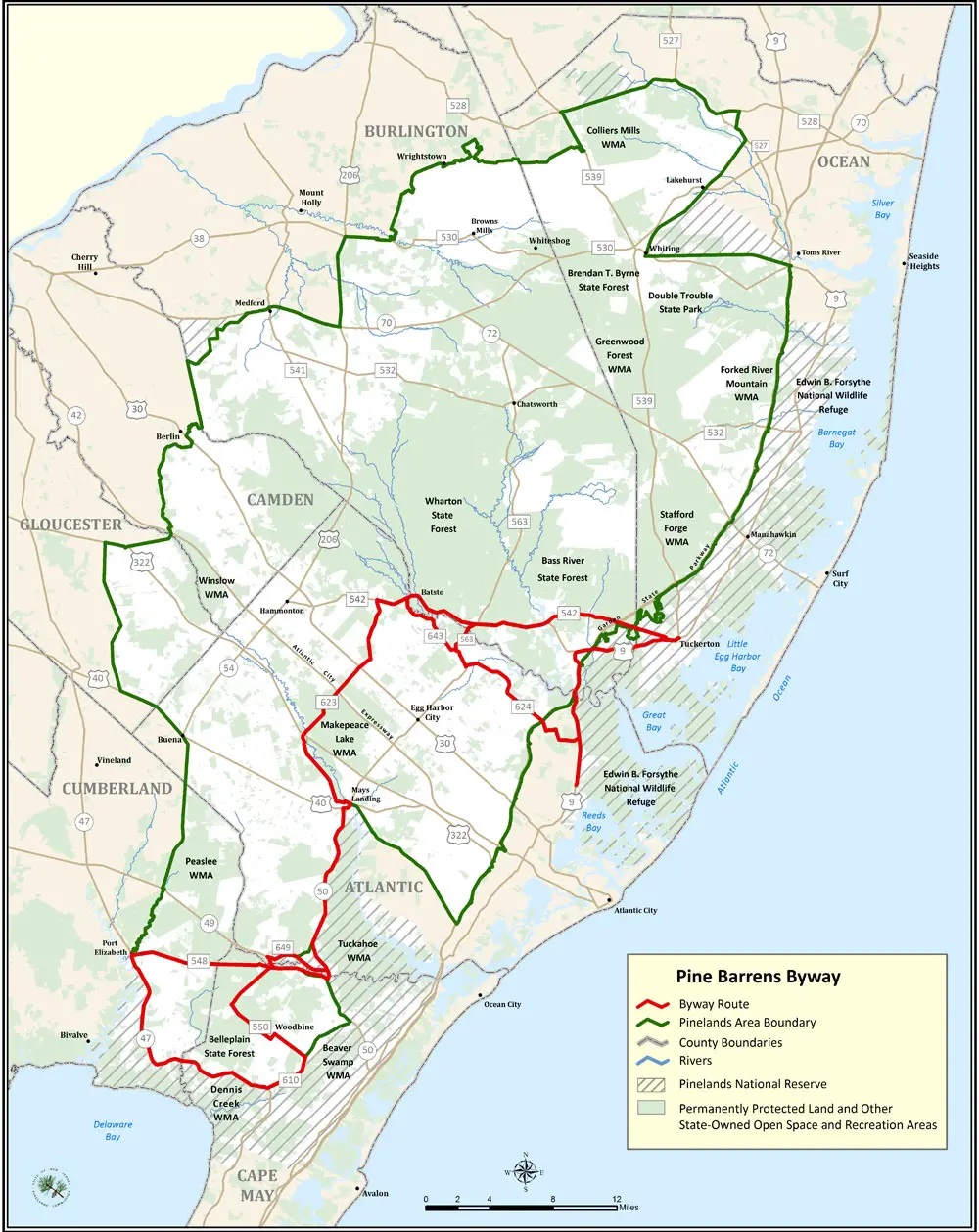
If you’re seeking an outdoor adventure unlike any other, look no further than the Pine Barrens in southern New Jersey. This captivating region offers a diverse and enchanting landscape, waiting to be explored. From miles of winding trails through dense forests to tranquil lakes and vast stretches of untouched wilderness, the Pine Barrens is a haven for nature lovers and hiking enthusiasts alike. Get ready to embark on a journey through this hidden gem, as we guide you through the natural wonders and breathtaking beauty that awaits in the heart of southern New Jersey.
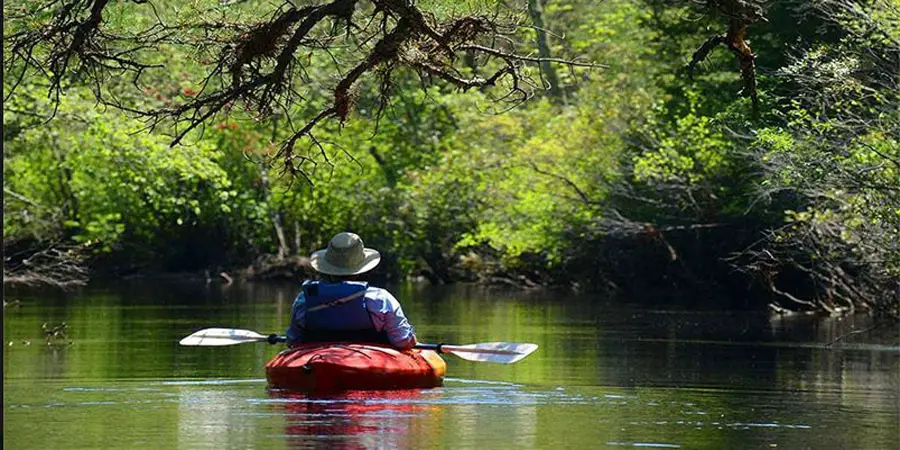
Hiking the Pine Barrens: A Guide to Southern New Jersey’s Natural Wonders
Welcome to the Pine Barrens, a breathtaking natural wonder located in southern New Jersey. This expansive region offers hikers a unique opportunity to explore a diverse landscape that encompasses beautiful forests, serene wetlands, and distinctive geological features. Whether you’re a novice hiker or an experienced adventurer, this comprehensive guide will provide you with all the information you need to make the most of your hiking experience in the Pine Barrens.
Overview of the Pine Barrens Region
Geography and Topography of the Pine Barrens
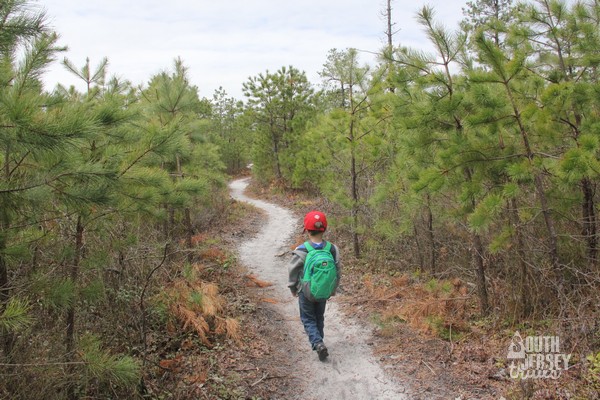
Stretching across more than one million acres, the Pine Barrens is a vast area of pine forests, wetlands, and sandy plains. Its unique topography is characterized by sandy soil, undulating hills, and a network of streams and rivers. These elements combine to create a stunning landscape that is a haven for outdoor enthusiasts.
Climate and Weather Conditions
The climate in the Pine Barrens is classified as humid subtropical, with mild winters and hot summers. The region experiences an average annual rainfall, which contributes to the growth of diverse plant life. It’s important to note that weather conditions can be unpredictable, so hikers should always check the forecast and prepare accordingly.
Historical Significance of the Pine Barrens
The Pine Barrens has a rich history that dates back thousands of years. Indigenous people, such as the Lenape, have a strong connection to the land, and evidence of their presence can still be found today. European settlers later established communities in the area, with industries such as iron and glass production flourishing. Exploring the Pine Barrens allows hikers to immerse themselves in the stories and legacies of those who came before.
Ecological Importance and Conservation Efforts
The Pine Barrens is not only a beautiful natural wonder but also an ecologically significant region. It is home to a variety of unique plant and animal species, some of which are endangered or threatened. The preservation of this delicate ecosystem is of utmost importance, and various organizations and conservation efforts work tirelessly to protect and maintain the integrity of the Pine Barrens for future generations to enjoy.
Preparing for a Hike
Physical Fitness and Skill Level
Before embarking on a hike in the Pine Barrens, it’s essential to assess your physical fitness and skill level. The varied terrain and potential challenges require a certain level of endurance and agility. Start with shorter and less strenuous trails if you’re a beginner, and gradually work your way up to more challenging hikes as you build strength and confidence.
Packing Essential Items
When venturing into the Pine Barrens, it’s crucial to pack the right gear to ensure a safe and enjoyable experience. Some essentials to include in your hiking pack are:
- Sturdy hiking boots to protect your feet and provide traction on the sandy terrain.
- Lightweight clothing that is breathable and suitable for the weather conditions.
- Ample water to stay hydrated throughout the hike.
- Snacks or a packed lunch to fuel your adventure.
- Sunscreen and insect repellent to protect your skin from the sun and biting insects.
- A map and compass, or a reliable GPS system, to navigate the trails.
Finding Reliable Maps and Guidebooks
Navigating the vast network of trails in the Pine Barrens can be challenging without the proper maps or guidebooks. Research and obtain reliable resources that provide detailed trail maps, trail descriptions, and information about points of interest along the way. Having a comprehensive guide will enhance your hiking experience and ensure that you don’t miss out on any hidden gems.
Obtaining Permits and Relevant Information
Before setting out on your hike, it’s important to check if any permits or relevant information are required. Some trails may have specific regulations, such as restricted access during certain times or limited capacity. It’s always a good idea to contact the local park or governing bodies to ensure you have the necessary information and permits for a seamless hiking experience.
Choosing the Right Trail
Different Types of Trails
The Pine Barrens offers a diverse selection of trails, each offering a unique experience for hikers. Whether you prefer a leisurely stroll through wooded paths or a challenging trek that tests your endurance, there is a trail for everyone. Some trails follow old logging roads, while others wind through captivating wetlands or lead to stunning lookout points. Take the time to explore the options and choose a trail that aligns with your interests and abilities.
Length and Difficulty Ratings
When selecting a trail, consider both its length and difficulty rating. Trails in the Pine Barrens range from short and easy hikes for beginners to more demanding and longer treks for experienced hikers. It’s essential to choose a trail that matches your level of fitness and experience to ensure a safe and enjoyable adventure.
Scenic Beauty and Points of Interest
One of the highlights of hiking in the Pine Barrens is experiencing its awe-inspiring beauty and discovering its points of interest. From enchanting cedar swamps to tranquil rivers and breathtaking overlooks, there is no shortage of natural wonders to explore. Research the scenic attractions that each trail offers, and choose a route that allows you to immerse yourself in the mesmerizing landscapes of the Pine Barrens.
Accessibility and Crowd Levels
Consider the accessibility and crowd levels of each trail when planning your hike. Some trails may be more popular and therefore more crowded, especially during peak times. If you prefer a quieter and more solitary experience, opt for lesser-known trails or plan your hike during off-peak hours or seasons. Being aware of accessibility factors, such as parking availability and trail conditions, will ensure a smooth and hassle-free adventure.
Important Safety Tips
Proper Clothing and Footwear
Wearing appropriate clothing and footwear is crucial for a safe and comfortable hike in the Pine Barrens. Dress in layers, so you can adjust your clothing according to the changing weather conditions. Choose moisture-wicking and breathable fabrics that will keep you dry and comfortable. Additionally, investing in a pair of sturdy hiking boots will provide stability and protect your feet from rocks, roots, and uneven terrain.
Hydration and Nutrition
Staying hydrated and well-nourished during your hike is essential to maintain your energy levels and prevent dehydration. Carry an adequate amount of water and drink regularly to avoid fatigue and heat-related illnesses. Pack nutritious snacks or a packed lunch that will provide you with sustained energy throughout your adventure.
Navigating Wildlife Encounters
The Pine Barrens is home to a diverse array of wildlife, including snakes, birds, deer, and even the occasional black bear. While wildlife encounters are thrilling, it’s important to remember to observe from a safe distance and not disturb or feed the animals. Familiarize yourself with the local fauna before your hike and learn about any potential encounters you may have on the trail.
Staying Aware of Poisonous Plants and Ticks
As with any natural environment, the Pine Barrens is home to some poisonous plants, such as poison ivy and poison oak. Educate yourself about these plants and how to identify and avoid them. Additionally, ticks are prevalent in the region, so take precautions by wearing long clothes, using insect repellent, and performing tick checks regularly to prevent tick-borne illnesses.
Emergency Preparedness
No matter how prepared you are, accidents can happen. It’s crucial to be prepared for emergencies while hiking in the Pine Barrens. Carry a first aid kit with essential items such as bandages, antiseptic, and any necessary medications. It’s also a good idea to familiarize yourself with basic first aid techniques and inform someone of your hiking plans and estimated return time.
Best Times to Visit
Springtime: Burst of Color and Blooms
Spring is a magical time to visit the Pine Barrens as nature awakens from its winter slumber. Witness a burst of color as wildflowers bloom, and vibrant greenery emerges. The moderate temperatures and minimized bug populations make it an ideal season for hiking and immersing yourself in the region’s natural wonders.
Summer: Vibrant Wildlife and Longer Days
Summer brings longer days and an abundance of wildlife activity in the Pine Barrens. The warm weather allows for extended hiking hours, and the lush flora offers a picturesque backdrop. Be prepared for higher temperatures and humidity, and take precautions to stay cool and well-hydrated during your summer hikes.
Autumn: Stunning Foliage and Mild Temperatures
Autumn is a season of breathtaking beauty in the Pine Barrens as the foliage transforms into a vibrant tapestry of reds, oranges, and yellows. The mild temperatures make it an ideal time for long hikes through the forested trails, and the crisp air adds a sense of tranquility to your outdoor adventures.
Winter: Peaceful Serenity and Unique Snowscapes
Winter in the Pine Barrens offers a peaceful and serene atmosphere, making it a perfect time for solitude and reflection. The landscapes are transformed by a blanket of snow, creating a winter wonderland. Be mindful of potential icy conditions and dress warmly to fully enjoy the unique beauty of the Pine Barrens in winter.
Wildlife and Plant Life in the Pine Barrens
Diverse Animal Species
The Pine Barrens is home to a diverse array of animal species, both common and rare. White-tailed deer, red foxes, and various bird species are often spotted throughout the pine forests. Keep an eye out for the elusive Pine Barrens tree frog and the charismatic Pine Barrens tree snake, both of which are unique to the region.
Endangered and Threatened Species
The Pine Barrens provides a crucial habitat for several endangered and threatened species. The Eastern tiger salamander, the timber rattlesnake, and the northern pine snake are just a few of the remarkable creatures fighting to survive in this delicate ecosystem. When hiking in the Pine Barrens, be respectful of their habitat and help preserve their home.
Distinctive Plant Communities
The plant life in the Pine Barrens is equally captivating, with unique communities that have adapted to the sandy soil and acidic conditions. Pitch pines, oak trees, and cranberry bushes are among the dominant species that thrive in this challenging environment. Marvel at the resilience and beauty of these plants as you hike through the picturesque trails.
Carnivorous Plants: Pitcher Plants and Sundews
One of the most fascinating aspects of the Pine Barrens’ plant life is the presence of carnivorous species. The region is home to pitcher plants and sundews, which have evolved to supplement their nutritional needs by trapping and consuming insects. Keep an eye out for these intriguing carnivorous plants along the trails and learn more about their unique adaptations.
Exploring Unique Geological Features
Ancient Pine Barrens Aquifer
Beneath the sandy surface of the Pine Barrens lies an ancient aquifer, a vast underground reservoir of water. This aquifer provides a critical water source for the region’s flora, fauna, and human communities. As you hike through the Pine Barrens, take a moment to appreciate the ecological significance of this hidden natural resource.
Cranberry Bogs and Blueberry Fields
The Pine Barrens is famous for its cranberry bogs and blueberry fields, which are not only a testament to the region’s agricultural heritage but also an enchanting sight to behold. Explore trails that wind through these vibrant landscapes and learn about the history and importance of cranberry and blueberry cultivation in the area.
Pine Barrens Quartz Sand Deposits
Quartz sand deposits, also known as “Jersey sand,” are a distinctive feature of the Pine Barrens. This pure and white sand is the result of thousands of years of erosion and is highly sought after for various applications. Marvel at the unique texture and color of the sand as you hike through the trails and learn about its geological significance.
Beautiful Cedar Swamps
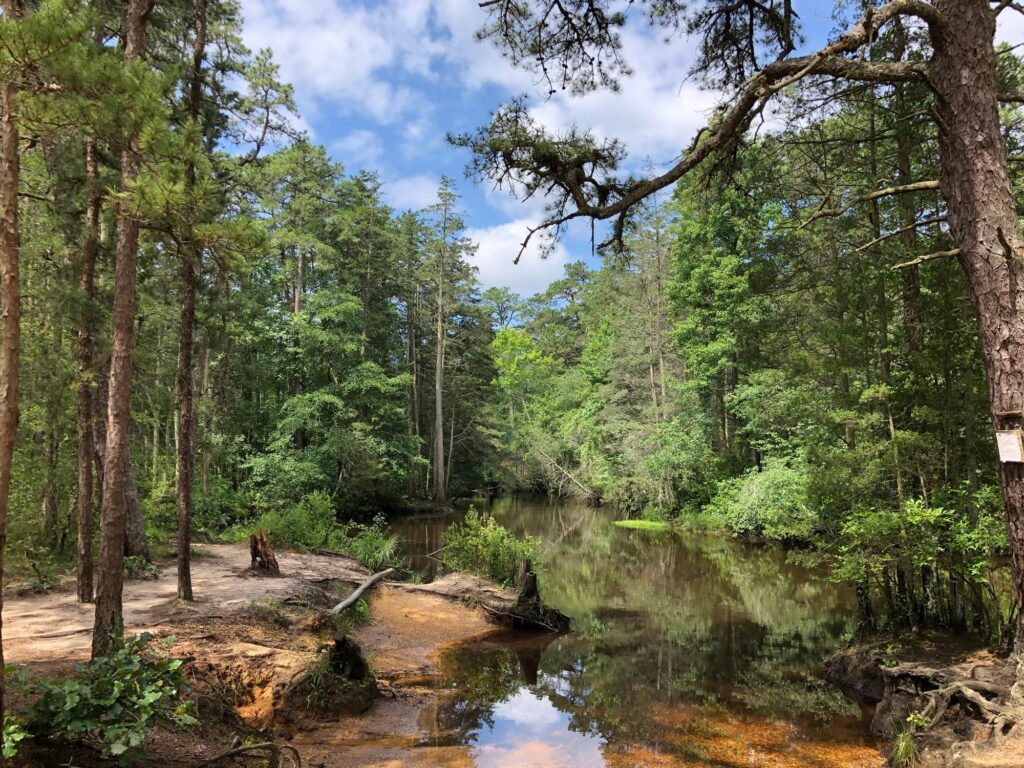
Cedar swamps are among the most captivating and ecologically significant features of the Pine Barrens. These wetland ecosystems are characterized by towering Atlantic white cedars, which thrive in the acidic and waterlogged conditions. Meandering boardwalks and trails will take you through these breathtaking swamps, offering a unique glimpse into this fragile and beautiful habitat.
Sandy Pygmy Forests
The Pine Barrens is also home to sandy pygmy forests, a fascinating geological phenomenon. These stunted forests are characterized by stunted trees and shrubs, resulting from nutrient-poor soil and other environmental factors. Take a hike through these specialized ecosystems and marvel at the unique adaptations of the flora that calls these forests home.
Notable Hiking Trails in the Pine Barrens
Batona Trail: The Backbone of the Pine Barrens
The Batona Trail is a 50-mile trail that winds through the heart of the Pine Barrens, offering hikers a diverse and challenging experience. Stretching from Bass River State Forest to the Brendan T. Byrne State Forest, this trail takes adventurers through pine forests, cedar swamps, and serene rivers. Backpacking options are available for those looking to immerse themselves fully in this epic hiking adventure.
Mullica River Trail: Exploring Wetland Beauty
The Mullica River Trail provides hikers with the opportunity to explore the breathtaking wetlands of the Pine Barrens. This scenic trail follows the Mullica River, offering stunning views of serene waterways, vibrant vegetation, and abundant wildlife. With various access points and loop options, hikers can tailor their journey to their preferred length and level of difficulty.
Belleplain State Forest: Tranquil Forest Trails
Belleplain State Forest offers a tranquil escape into the heart of the Pine Barrens. With a network of well-maintained trails that wind through the forest, hikers can choose from a range of distances and difficulty levels. Experience the serenity of towering pines, lush understory, and the occasional glimpse of wildlife as you explore this hidden gem.
Wharton State Forest: The Largest Tract of Land
Wharton State Forest is the largest tract of land within the Pine Barrens, offering hikers a vast array of trails to choose from. Whether you’re seeking a leisurely stroll or a challenging hike, Wharton State Forest has something for everyone. Explore the awe-inspiring cedar swamps, enjoy scenic river views, and take in the unique sights and sounds of this expansive forest.
Penn State Forest: A Hidden Gem
Penn State Forest is a lesser-known treasure nestled within the Pine Barrens. This hidden gem offers hikers the opportunity to explore a range of trails that wind through picturesque woodlands, wetlands, and historic sites. With its peaceful atmosphere and captivating beauty, Penn State Forest is a perfect destination for hikers looking to escape the crowds and immerse themselves in nature.
Hiking Equipment and Gear
To fully enjoy your hiking experience in the Pine Barrens, it’s important to have the right equipment and gear. Here are some essentials to consider:
- Sturdy hiking boots that provide ankle support and grip on sandy terrain.
- Moisture-wicking and breathable clothing, including layers to adapt to changing weather conditions.
- A well-fitted backpack to carry essentials such as water, snacks, and a first aid kit.
- Sunscreen and insect repellent to protect your skin from sunburn and bug bites.
- A hat and sunglasses to shield your face and eyes from the sun.
- A reliable map, compass, or GPS device to navigate the trails.
- Trekking poles for added stability and to reduce strain on your knees and joints.
- A whistle and flashlight for emergency situations.
- A fully charged phone for communication and to use as a GPS device if necessary.
Investing in quality equipment and gear will enhance your hiking experience and ensure your safety and comfort while exploring the Pine Barrens.

Where to Stay and Eat in the Area
Camping Options in the Pine Barrens
For a truly immersive experience, consider camping in the Pine Barrens. Several campgrounds offer tent and RV camping options, allowing you to stay close to nature. Wharton State Forest and Brendan T. Byrne State Forest are popular choices for camping, with facilities such as picnic areas, showers, and fire pits available. Be sure to check reservation requirements and availability in advance.
Lodging Choices Near the Trails
If camping isn’t your preferred accommodation option, there are various lodging choices near the Pine Barrens trails. Charming bed and breakfasts, hotels, and vacation rentals can be found in the surrounding towns, offering comfortable and convenient bases for your hiking adventures. Explore options in towns such as Hammonton, Medford, or Toms River to find the perfect place to rest and rejuvenate after a day on the trails.
Local Restaurants and Dining Experiences
After a day of hiking, treat yourself to the flavorful cuisine that southern New Jersey has to offer. The Pine Barrens region is known for its fresh seafood, farm-to-table dining, and diverse culinary experiences. From casual diners to upscale restaurants, there are options to satisfy every palate. Don’t miss the chance to try local delicacies such as blueberry pie, cranberry dishes, or fresh Jersey tomatoes.
Nearby Attractions for Extended Adventures
Extend your hiking adventure in the Pine Barrens by exploring nearby attractions and points of interest. Historic villages, wineries, wildlife refuges, and cultural landmarks can be found within a short distance from the trails. Plan a day trip to the picturesque seaside towns along the Jersey Shore or visit the charming towns of Princeton or Cape May. By taking advantage of your proximity to these attractions, you can enrich your Pine Barrens experience and create unforgettable memories.
In conclusion, the Pine Barrens in southern New Jersey offers hikers a truly unique and captivating adventure. From its diverse landscapes and abundance of wildlife to its rich history and cultural significance, this natural wonder has something for everyone. By following this comprehensive guide, you’ll be well-prepared to explore the Pine Barrens and create memories that will last a lifetime. So lace up your hiking boots, pack your essentials, and get ready to immerse yourself in the wonders of the Pine Barrens. Happy hiking!