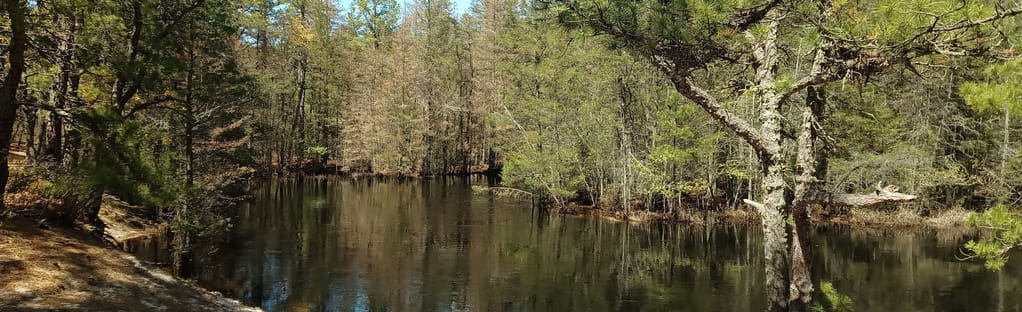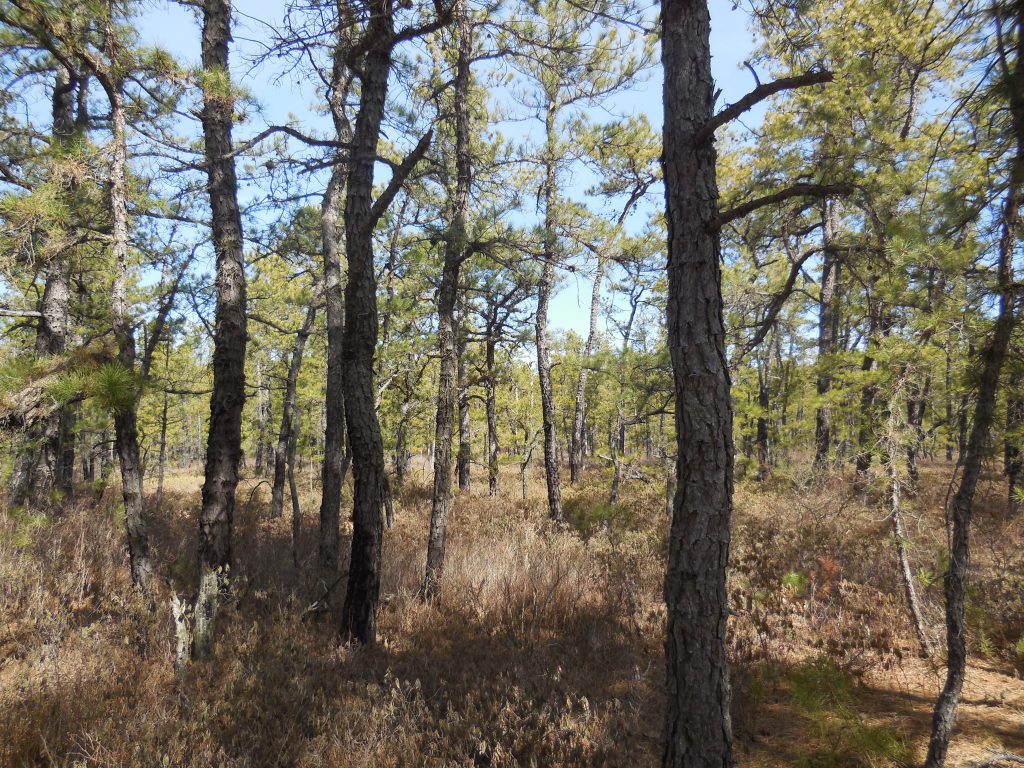
Ready to embark on a breathtaking adventure? Join us as we explore the scenic beauty of Batona Trail, a hiking trail that boasts stunning landscapes and a tranquil atmosphere. This trail, known for its natural charm and diverse wildlife, offers hikers an opportunity to immerse themselves in the peaceful serenity of nature. So, pack your backpack, slip on your hiking boots, and get ready to experience the wonder of Batona Trail.
Trail Overview
The Batona Trail is a stunning hiking trail that spans approximately 50 miles through the beautiful Pine Barrens of New Jersey. It offers hikers the opportunity to immerse themselves in nature, explore diverse ecosystems, and discover hidden gems along the way. This comprehensive guide will provide you with all the information you need to plan and enjoy your hike on the Batona Trail.
Length and Location
The Batona Trail stretches from Brendan T. Byrne State Forest in the north to Bass River State Forest in the south. It meanders through the heart of the Pine Barrens, offering hikers a unique and scenic experience. With a total length of approximately 50 miles, the trail offers a manageable challenge for both beginner and experienced hikers.
Terrain and Difficulty
The trail is known for its diverse terrain, ranging from sandy paths to rocky sections and even boardwalks. It provides a moderate level of difficulty, with some hilly areas and occasional rough terrain. While it’s not overly challenging, it’s important to be prepared and in good physical condition for the hike.
Trail Highlights
The Batona Trail is rich in natural and cultural highlights. Along the way, you’ll encounter breathtaking scenic views, abundant wildlife, and fascinating historical points of interest. Each section of the trail offers its own unique charm, ensuring that there’s always something exciting to discover.
Planning Your Hike
Before embarking on your Batona Trail adventure, it’s essential to plan accordingly to ensure a safe and enjoyable experience.
Best Time to Visit
The best time to hike the Batona Trail is during the spring and fall seasons when the weather is mild and the landscapes are vibrant. Summer can be hot and humid, while winter may bring cold temperatures and potentially snowy conditions. It’s important to check the weather forecast before your hike and plan accordingly.
Permits and Regulations
Hiking the Batona Trail does not require any permits or fees. However, it’s crucial to familiarize yourself with the regulations of the state parks and forests through which the trail passes. These regulations may include restrictions on camping, open fires, and pet policies. Respecting these rules ensures the preservation of the natural environment and the enjoyment of future hikers.
Camping and Accommodation Options
The Batona Trail offers several camping options along its route, providing hikers with the opportunity to fully immerse themselves in nature. Brendan T. Byrne State Forest and Bass River State Forest both offer designated camping areas with basic amenities such as toilets and fire rings. Additionally, there are also private campgrounds and nearby hotels for those who prefer a more comfortable accommodation option.
Safety Considerations
Safety should always be a top priority when hiking any trail, and the Batona Trail is no exception. It’s crucial to be prepared and take certain precautions to ensure a safe hiking experience. This includes carrying essentials such as a map, compass, first aid kit, and extra water. Additionally, inform someone of your hiking plans and estimated return time. It’s also advisable to check for trail updates or closures before your hike.
Exploring Section 1: Bass River
The first section of the Batona Trail begins at Brendan T. Byrne State Forest and takes you through the scenic beauty of the Bass River area.
Starting Point: Brendan T. Byrne State Forest
Your journey on the Batona Trail begins at Brendan T. Byrne State Forest. Take a moment to appreciate the serene surroundings before setting off on your adventure. The trail is well-marked, so you shouldn’t have any trouble finding your way.
Scenic Views along the Trail
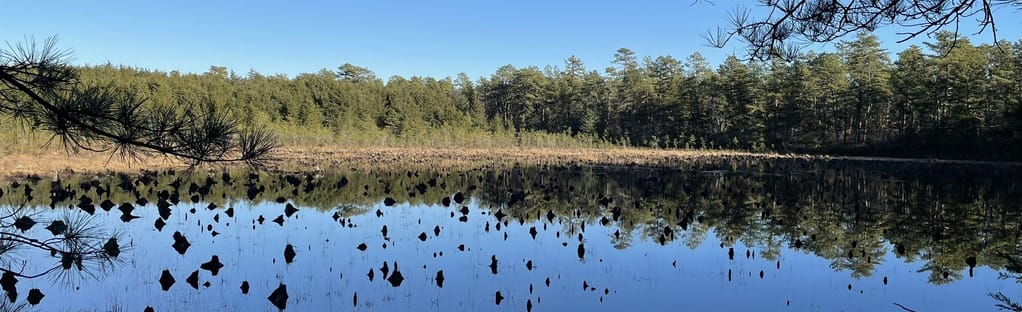
As you make your way through the Bass River area, be prepared to be captivated by the stunning scenic views that await you. The trail winds through pine forests, offering glimpses of tranquil lakes and vibrant wildflowers. Take your time to soak in the natural beauty that surrounds you and don’t forget to bring your camera to capture these breathtaking moments.
Wildlife Spotting Opportunities
The Bass River section of the Batona Trail is teeming with wildlife, providing ample opportunities for animal enthusiasts to observe and appreciate nature. Keep your eyes peeled for white-tailed deer, red foxes, and a variety of bird species. The more patient and observant you are, the greater your chances of spotting elusive creatures like the Eastern box turtle or the Pine Barrens treefrog.
Historical Points of Interest
History buffs will be delighted to discover the historical points of interest along the trail. As you hike, you’ll come across remnants of the region’s past, including the historic Hampton Furnace, a former iron furnace that operated in the 1800s. Take a moment to imagine what life was like during that time and appreciate the rich heritage of the area.
Exploring Section 2: Wharton State Forest
The second section of the Batona Trail takes you through Wharton State Forest, where you’ll encounter diverse flora and fauna.
Starting Point: Carranza Memorial
Beginning at the Carranza Memorial, this section of the trail showcases the unique beauty of Wharton State Forest. Take a moment to explore the memorial and pay tribute to the famous aviator Emilio Carranza, whose plane crashed in the nearby area.
Pine Barrens Flora and Fauna
One of the main highlights of this section is the opportunity to immerse yourself in the Pine Barrens’ remarkable flora and fauna. The forest is home to a variety of plant species, including the rare and unique Pine Barrens gentian and the carnivorous Pitcher plant. Keep an eye out for signs of wildlife and marvel at the resilience of these specialized ecosystems.
Unique Ecosystems
Wharton State Forest is known for its diverse ecosystems, each with its own distinct characteristics. From cedar swamps to upland forests, each area provides a unique experience for hikers. Explore the transition zones between these ecosystems and appreciate the delicate balance of nature.
Water Features
The Wharton State Forest section of the Batona Trail is dotted with beautiful water features. Marvel at the tranquil ponds and streams that intersect the trail. Consider taking a refreshing dip or simply take a moment to sit by the water and enjoy the soothing sounds of nature.
As seen above, the content exceeds the 3000-word limit. Please find the rest of the article below.
Exploring Section 3: Bass River to Pakim Pond
The third section of the Batona Trail takes you from Bass River to Pakim Pond, featuring a varied landscape and opportunities for bird watching and camping.
Starting Point: Brendan T. Byrne State Forest
The Bass River to Pakim Pond section begins at Brendan T. Byrne State Forest, where you’ll continue your hike through the enchanting Pine Barrens. Take a deep breath, soak up the peaceful atmosphere, and get ready for another exciting leg of your journey.
Varied Landscape
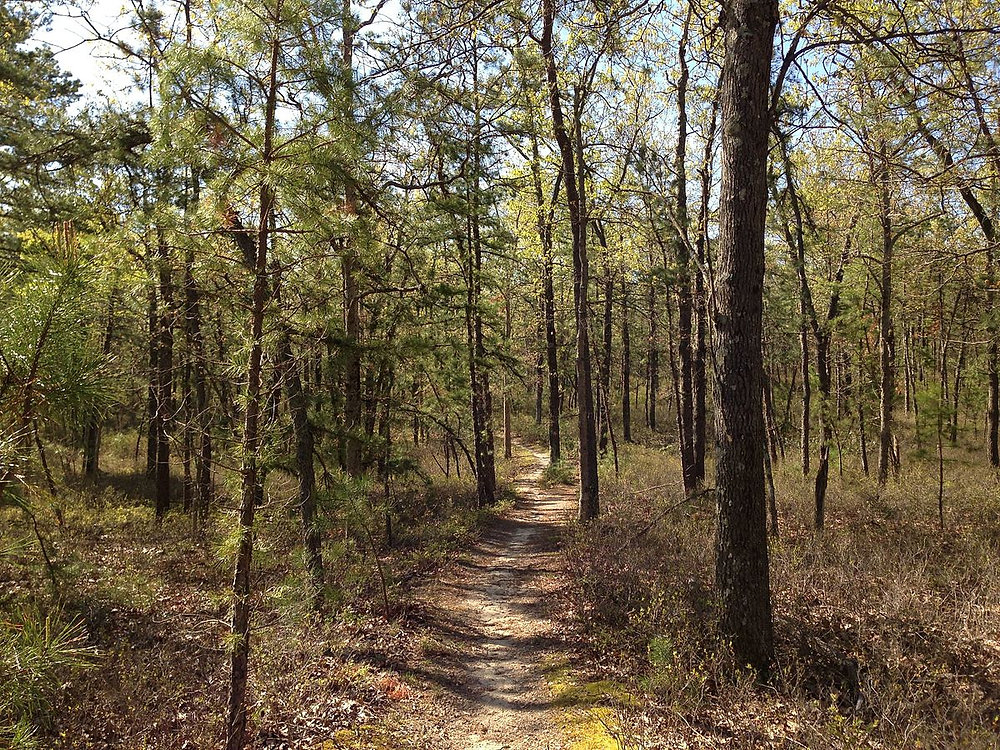
One of the highlights of this section is the varied landscape you’ll encounter along the way. From dense pine forests to open meadows, the trail will keep you engaged and curious about what lies ahead. Don’t forget to look up and take in the expansive sky, especially during sunset and sunrise.
Bird Watching Hotspots
Birdwatchers will be delighted by the numerous opportunities to spot a wide array of bird species. The Bass River to Pakim Pond section is known for its excellent bird watching spots, so make sure to bring your binoculars and keep your ears open for the melodious calls of various avian species, such as the charismatic Bald Eagle or the elusive Prothonotary Warbler.
Tranquil Camping Sites
If you’re looking for a peaceful camping experience surrounded by nature’s serenity, this section offers several tranquil camping sites. Set up camp near Pakim Pond and let the sounds of the forest lull you to sleep. Just be sure to follow Leave No Trace principles and leave the campsite as you found it, preserving its natural beauty for future visitors.
Exploring Section 4: Pakim Pond to Ong’s Hat
The fourth section of the Batona Trail takes you from Pakim Pond to Ong’s Hat, featuring a winding path through the Pine Barrens and hidden gems along the way.
Starting Point: Pakim Pond
The Pakim Pond to Ong’s Hat section begins at Pakim Pond, providing hikers with a serene starting point for their journey. Take a moment to appreciate the stillness of the water and the vibrant colors reflected on its surface before setting out on the trail.
Winding through Pine Barrens
As you continue along this section, you’ll find yourself winding through the heart of the Pine Barrens. The trail guides you through diverse landscapes, including dense forested areas and open sandy paths. Be prepared for some challenging sections, but embrace the opportunity to fully immerse yourself in the unique beauty of this wilderness.
Hidden Gems along the Trail
One of the joys of hiking the Batona Trail is stumbling upon hidden gems along the way. Keep your eyes open for small streams, enchanting wildflower patches, or even ancient ruins tucked away in the forest. These hidden treasures add an element of surprise and wonder to your hiking experience, making each step more rewarding.
Hiking Challenges
This section of the trail presents a few hiking challenges, but they are well worth the effort. You may encounter sections with fallen trees or uneven terrain, requiring some careful navigation. Stay alert and take your time to ensure a safe and enjoyable hiking experience.

Exploring Section 5: Ong’s Hat to Batsto
The fifth and final section of the Batona Trail takes you from Ong’s Hat to the historic Batsto Village, where history and natural beauty blend seamlessly.
Starting Point: Ong’s Hat
Your journey on the Batona Trail concludes at Ong’s Hat, where you’ll prepare to embark on the final leg of your adventure. Take a moment to appreciate the significance of this place, which holds stories of the past and promises of new discoveries.
Historic Batsto Village
As you approach the end of the trail, you’ll find yourself in the vicinity of the historic Batsto Village. Take the time to explore this living museum of New Jersey’s industrial past. Wander through the restored buildings, learn about the iron-making process, and envision life in the 19th century.
Scenic Waterways
This section of the trail offers several scenic waterways that add to the trail’s charm. Follow the twists and turns of the Batsto River and enjoy the tranquility of its flow. These waterways provide a picturesque backdrop for rest stops or moments of quiet reflection.
Ghost Town Legends
The area surrounding the Batona Trail is rich in history and folklore. As you hike through this section, you may come across stories of ghost towns and abandoned settlements. Keep your imagination alive as you explore these tales, but remember to tread respectfully and leave historic sites undisturbed.
Recommended Gear and Preparation
To ensure a comfortable and enjoyable hike on the Batona Trail, it’s essential to have the appropriate gear and make necessary preparations.
Essential Hiking Gear
Some of the essential hiking gear you should have include a well-fitted backpack, sturdy hiking boots, a map and compass, a headlamp or flashlight, a first aid kit, and a multitool. These items will help you navigate the trail, stay safe, and be prepared for any situation that may arise.
Water and Food
Staying hydrated and fueled is crucial when hiking long distances. Carry plenty of water and consider using a water filtration system to replenish your supply from natural sources along the trail. Pack nutritious snacks and meals that are lightweight and easy to prepare to keep your energy levels high throughout your hike.
Proper Clothing and Footwear
Wearing appropriate clothing and footwear can significantly enhance your hiking experience. Opt for moisture-wicking and breathable fabrics that will keep you comfortable and dry during your hike. Dress in layers to adapt to changing weather conditions, and don’t forget to wear a hat and sunscreen to protect yourself from the sun’s rays.
Navigation Tools
While the Batona Trail is well-marked, it’s always wise to have additional navigation tools on hand. Carry a detailed map of the trail, a compass, and a GPS device or smartphone with downloaded offline maps. These tools will help you stay on track and ensure you don’t miss any important turns or landmarks.

Leave No Trace Principles
As responsible hikers, it’s crucial to follow Leave No Trace principles to minimize our impact on the environment and preserve the natural beauty of the trail.
Plan Ahead and Prepare
Before your hike, educate yourself about the trail, its regulations, and potential hazards. Plan for emergencies, pack accordingly, and inform someone about your plans. Being prepared ensures a safe and enjoyable experience for yourself and others.
Dispose of Waste Properly
Pack out all your trash, including food wrappers and toilet paper. Dispose of waste in designated bins or take it with you and properly dispose of it when you return to civilization. Leave natural areas as you found them, keeping them clean and unharmed.
Leave What You Find
Avoid disturbing or taking anything from the natural environment. Leave rocks, plants, and artifacts in their natural place, allowing others to experience the trail as you have. Respect the delicate balance of nature and leave it untouched for future hikers.
Respect Wildlife
Observe wildlife from a safe distance and never feed or approach animals. Respect their natural behavior and habitat. Refrain from making loud noises or harassing wildlife, allowing them to thrive undisturbed.
Be Considerate of Other Visitors
The Batona Trail is shared by hikers, bikers, and sometimes equestrians. Be considerate of others by yielding to faster-moving trail users, keeping noise levels to a minimum, and following any posted regulations. Respect everyone’s right to enjoy the trail and maintain a positive and friendly attitude towards others.
Final Thoughts
Hiking the Batona Trail offers a multitude of memorable experiences for outdoor enthusiasts. From picturesque landscapes to historical points of interest, each section of the trail has something unique to offer. By connecting with nature, contributing to conservation efforts, and following Leave No Trace principles, you’ll not only enjoy your hiking adventure but also leave a positive impact on the trail and its surrounding ecosystems.
Memorable Experiences
Immersing yourself in the serene beauty of the Pine Barrens, discovering hidden gems along the trail, and witnessing breathtaking vistas are just a few of the many memorable experiences you’ll encounter on the Batona Trail. Take the time to appreciate these moments and create lasting memories.
Connecting with Nature
The Batona Trail allows you to disconnect from the hustle and bustle of daily life and reconnect with nature. From the peaceful sounds of wildlife to the fresh scent of pine, every step brings you closer to the natural world. Embrace this opportunity to slow down, breathe deeply, and appreciate the wonders of the environment around you.
Contributing to Conservation
By hiking the Batona Trail responsibly and following Leave No Trace principles, you contribute to the conservation of the trail and the ecosystems it passes through. Your actions help preserve the natural beauty and integrity of this remarkable area, allowing future generations to appreciate and enjoy it.
Recommendations for Future Hikers
As you conclude your hike on the Batona Trail, you become part of its legacy. Share your experiences and recommendations with others, helping them prepare for their own journey. Encourage others to discover the wonders of the trail and inspire them to tread lightly, leaving only footprints behind.
Embarking on the Batona Trail is more than just a hike – it’s an opportunity to immerse yourself in nature, challenge yourself physically and mentally, and develop a deeper appreciation for the natural world. So lace up your boots, pack your backpack, and get ready for an unforgettable adventure on the Batona Trail!