
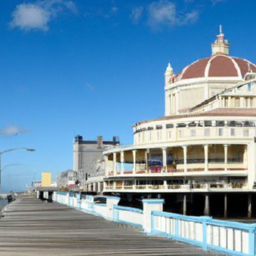
Imagine strolling down the sun-soaked boardwalk of Atlantic City, surrounded by the glitz and glamour of the casinos and the captivating sounds of the ocean. But beyond the iconic casinos and extravagant hotels lies a hidden treasure trove of history and heritage, waiting to be discovered. “History and Heritage: Discovering Atlantic City’s Fascinating Past and Architecture” is your ticket to uncovering the fascinating stories and architectural wonders that have shaped this beloved seaside destination. Join us on a journey through time as we unravel the layers of Atlantic City’s rich history, revealing the true character and enduring charm of this vibrant city.
Atlantic City’s Beginnings
Atlantic City, located on the eastern coast of New Jersey, has a rich and fascinating history that dates back centuries. In the 17th century, when European settlers first arrived, the area was inhabited by the the Lenni-Lenape Native American tribe. The land was eventually acquired by English colonists in 1609 and named Absegami, meaning “little water” in the language of the Lenni-Lenape.
Settlement and Early History
It wasn’t until the early 19th century that Atlantic City’s transformation into a resort town began. In 1854, Dr. Jonathan Pitney envisioned the potential of the area, with its pristine beaches and refreshing ocean breezes. With the opening of the Camden and Atlantic Railroad in 1854, Atlantic City became easily accessible to vacationers from Philadelphia and New York City. The city’s first hotel, the Belloe House, was constructed in 1855 to accommodate the influx of visitors.
Development as a Resort Town
As word spread about the beauty of Atlantic City, more hotels and attractions were built along the coastline. The United States Hotel, one of the largest and most luxurious hotels of its time, opened its doors in 1870. With its grand architectural style and breathtaking views of the Atlantic Ocean, the United States Hotel set the standard for the extravagant resorts that would follow.
Architectural Highlights
Atlantic City’s architectural landscape is a testament to its rich history and cultural significance. From Victorian-era buildings to modern architectural landmarks, the city boasts a diverse range of architectural styles.
Victorian Era Buildings
During the late 19th and early 20th centuries, Atlantic City experienced a boom in Victorian architecture. Magnificent homes and hotels were constructed, showcasing ornate detailing, colorful facades, and picturesque porches. The Chalfonte-Haddon Hall, now known as Resorts Casino Hotel, is a prime example of this architectural style. Its iconic red and white exterior is a recognizable symbol of Atlantic City’s past.
Art Deco Influences
In the 1920s and 1930s, the rise of the Art Deco movement greatly influenced the city’s architectural landscape. The Traymore Hotel, built in 1921, exemplifies this style with its geometric shapes, sleek lines, and intricate detailing. Today, the Traymore Hotel serves as part of the Boardwalk Hall and continues to captivate visitors with its timeless beauty.
Modern Architectural Landmarks
As Atlantic City evolved into a modern destination, new architectural landmarks emerged. The Atlantic City Convention Center, opened in 1997, is a striking example of contemporary design. Its glass façade and expansive interior spaces have made it a popular venue for trade shows, conferences, and other events.
Boardwalk and Beaches
No visit to Atlantic City would be complete without a stroll along its famous boardwalk. This iconic symbol of the city stretches for four miles along the coastline, offering stunning views of the ocean and a myriad of entertainment options.
Origins of the Boardwalk
The Atlantic City boardwalk was the brainchild of Alexander Boardman, who in 1870 suggested the construction of a raised walkway to keep sand out of the hotels and stores. The first section of the boardwalk was built in 1870 and quickly became a popular destination for locals and tourists alike. Over the years, the boardwalk expanded to its current length and became known as the “World’s Playground.”
Iconic Beachfront Landmarks
Along the boardwalk, visitors can admire several iconic beachfront landmarks that have become synonymous with Atlantic City. The Steel Pier, originally opened in 1898, stands as a testament to the city’s entertainment legacy. This historic amusement park offers rides, games, and live entertainment for all ages. Another beloved landmark is the Boardwalk Hall, formerly known as the Atlantic City Convention Hall, which was built in 1929. It is not only an architectural treasure but also a popular venue for concerts, sporting events, and other special occasions.
Prohibition-era and Organized Crime
The era of Prohibition, from 1920 to 1933, had a significant impact on Atlantic City. As the consumption and sale of alcohol became illegal, the city’s proximity to major cities made it an ideal location for bootlegging and the emergence of speakeasies.
Bootlegging and Speakeasies
Atlantic City’s strategic location along the Eastern Seaboard made it a prime spot for bootleggers to smuggle alcohol. With its extensive network of speakeasies, hidden bars that operated illegally during Prohibition, the city became a popular destination for those seeking a good time and a forbidden drink. Some notable speakeasies included the 500 Club and the Rendezvous Club.
The Influence of Organized Crime
During the 1920s and 1930s, Atlantic City became a hotbed for organized crime activity. Infamous figures such as Al Capone and Lucky Luciano had a presence in the city, using it as a base for their criminal enterprises. The criminal influence extended to the local government, with corruption and bribery prevalent during this time. While organized crime left its mark on Atlantic City, the city has since moved past this dark era.
Decline and Resurgence
Despite its early successes, Atlantic City faced significant challenges and periods of decline throughout the 20th century. Economic downturns and changing tourist preferences led to a decline in the city’s popularity. However, in recent years, efforts to revitalize Atlantic City have sparked a resurgence.
Economic Downturns
Atlantic City experienced significant economic downturns, starting in the 1950s when competition from other vacation destinations began to take its toll. The decline continued in the 1970s and 1980s with the rise of legalized gambling in nearby states. The establishment of casinos in other jurisdictions drew visitors away from Atlantic City, causing a steady decline in tourism and revenue.
Revitalization Efforts and New Developments
Recognizing the need for change, Atlantic City embarked on a revitalization journey. In the 2000s and 2010s, efforts were made to diversify the city’s attractions beyond just gambling. The construction of new hotels, upscale restaurants, and entertainment venues, such as the Tanger Outlets and The Playground, have contributed to the city’s revitalization. Additionally, the legalization of sports betting in 2018 has brought renewed interest and economic growth to the city.
Historical Landmarks and Museums
Atlantic City is home to several historical landmarks and museums that offer visitors a glimpse into its past. These institutions preserve the city’s heritage and provide educational and cultural enrichment for both locals and tourists.
Absecon Lighthouse
The Absecon Lighthouse, which dates back to 1857, is one of the city’s most treasured landmarks. Standing at 171 feet tall, it is the third tallest lighthouse in the United States. Visitors can climb to the top and enjoy panoramic views of the city and the Atlantic Ocean. The lighthouse also houses a museum that chronicles its history and significance to Atlantic City.
Atlantic City Historical Museum
For a comprehensive look at Atlantic City’s past, the Atlantic City Historical Museum is a must-visit. Located in the restored Garden Pier, the museum features exhibits that explore the city’s history, from its humble beginnings to its vibrant heyday as a resort town. Visitors can browse through artifacts, photographs, and interactive displays that provide insights into the city’s unique heritage.
The Noyes Arts Garage
The Noyes Arts Garage, housed in a historic automotive garage, is a cultural hub in Atlantic City. This multi-use space showcases the work of local artists and hosts exhibitions, workshops, and performances. With its commitment to promoting arts and culture, the Noyes Arts Garage adds vibrancy and creativity to the city’s cultural scene.
Cultural Events and Festivals
Atlantic City is not only known for its history and architecture but also for its vibrant calendar of cultural events and festivals. These celebrations showcase the city’s diverse cultural heritage and offer memorable experiences for residents and visitors alike.
Atlantic City Airshow
One of the most eagerly anticipated events of the year is the Atlantic City Airshow. This thrilling spectacle takes place annually and attracts aviation enthusiasts from around the world. Spectators are treated to breathtaking aerial displays by military aircraft and civilian performers, making it a must-see event for thrill-seekers of all ages.
Atlantic City Beer and Music Festival
The Atlantic City Beer and Music Festival is a true celebration of craft beer and live music. Held over a weekend, the festival features hundreds of beers from breweries across the country, as well as performances by popular bands and musicians. With its lively atmosphere and wide selection of beers, this event has become a favorite among beer enthusiasts and music lovers alike.
Atlantic City Seafood Festival
As a coastal city, it’s no surprise that Atlantic City is renowned for its delicious seafood. The Atlantic City Seafood Festival pays homage to the city’s culinary heritage, showcasing a wide variety of seafood dishes prepared by renowned chefs. With cooking demonstrations, live music, and a vibrant marketplace, this festival offers a unique opportunity to savor the flavors of the sea.
The Miss America Pageant
The Miss America Pageant holds a special place in Atlantic City’s history, having been held in the city for many years. This renowned beauty pageant, founded in 1921, has become an iconic symbol of American culture and female empowerment.
Origins and Historical Significance
The Miss America Pageant was initially created as a way to extend the summer tourist season in Atlantic City. Since its inception, it has evolved into a national competition that celebrates intelligence, talent, and charisma. The pageant has played a significant role in promoting the city and attracting visitors from across the country.
Controversies and Changes Over Time
Over the years, the Miss America Pageant has faced its share of controversies and criticism. In recent times, there has been a shift towards focusing on the contestants’ accomplishments and platforms, moving away from the emphasis on physical appearance. The pageant has also made efforts to include a more diverse range of participants, reflecting the changing cultural landscape of America.
Famous Visitors and Celebrity Connections
Throughout its history, Atlantic City has attracted numerous famous visitors, from politicians and entertainers to royalty and athletes. These notable personalities have left their mark on the city and contributed to its cultural legacy.
Notable Personalities Who Frequented Atlantic City
Some of the notable figures who frequented Atlantic City include former U.S. President Woodrow Wilson, who favored the city as a summer retreat, and legendary entertainers such as Frank Sinatra, Dean Martin, and Sammy Davis Jr., who performed at the city’s iconic resorts. Additionally, boxing champions like Muhammad Ali and Mike Tyson have held iconic matches in Atlantic City, further solidifying its status as a sports and entertainment destination.
Hollywood’s Portrayal of the City
Atlantic City’s allure extended beyond its physical boundaries, capturing the imagination of Hollywood filmmakers. Movies such as “Atlantic City” (1980) starring Burt Lancaster and “Boardwalk Empire” (2010-2014), an HBO series set during the Prohibition era, brought the city’s history and culture to a wider audience. These portrayals have helped shape the popular perception of Atlantic City and its captivating past.
Preserving Atlantic City’s Heritage
Recognizing the importance of preserving its unique heritage, Atlantic City has made considerable efforts to protect and showcase its cultural landmarks and historical significance.
Historic Preservation Efforts
Various organizations and government agencies have worked together to ensure the preservation of Atlantic City’s architectural treasures. The Historic Preservation Commission, established in 1975, has designated several districts and individual buildings as historic landmarks. By promoting preservation and restoration initiatives, the city strives to maintain its historical character and charm.
Challenges and Future Prospects
Preserving Atlantic City’s heritage comes with its fair share of challenges. The ever-changing economic landscape and the need for development pose a delicate balance between progress and preservation. Additionally, the impact of climate change and rising sea levels poses a threat to the city’s historical buildings and coastal areas. However, with a dedicated community and ongoing efforts to protect its cultural assets, the future looks promising for Atlantic City and its rich heritage.
In conclusion, Atlantic City’s fascinating past and architecture have shaped its identity as a historic and dynamic coastal destination. From its humble beginnings as a resort town to its rise as a popular tourist destination, the city’s architectural highlights, iconic boardwalk, and cultural events have contributed to its enduring appeal. Through revitalization efforts, preservation initiatives, and a commitment to showcasing its heritage, Atlantic City continues to captivate visitors and offer a glimpse into its rich history and vibrant cultural legacy.