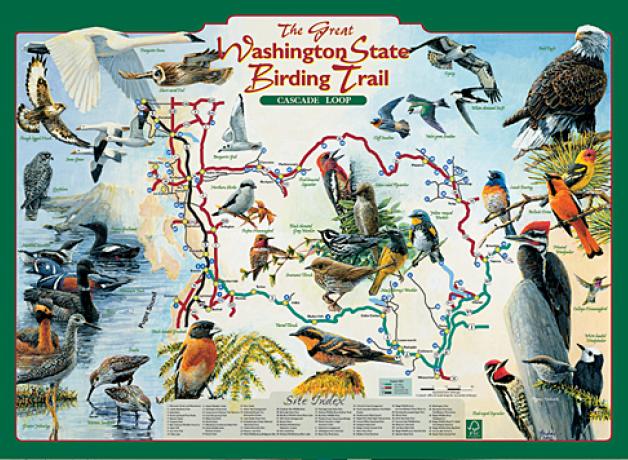
If you’re an avid birdwatcher or simply appreciate the beauty of nature, New Jersey’s birding trails are calling your name. With an abundance of diverse habitats and over 400 bird species to be discovered, these trails offer a paradise for bird enthusiasts. From the famous Cape May Peninsula to the pristine wetlands of the Great Swamp National Wildlife Refuge, each trail provides its own unique experience, promising breathtaking sightings and a chance to connect with the natural world like never before. Lace up your hiking boots, grab your binoculars, and get ready to embark on an adventure through some of the most remarkable birding trails in New Jersey.

Exploring New Jersey’s Birding Trails
Overview of Birding Trails
New Jersey is a haven for birding enthusiasts, offering a diverse range of bird species and picturesque landscapes to explore. The state is blessed with a rich avian population, attracting birdwatchers from far and wide. With numerous birding trails, New Jersey provides ample opportunities for birdwatching throughout the year. Whether you are a seasoned birder or a novice seeking to delve into the fascinating world of birds, these trails offer a chance to connect with nature in a unique and fulfilling way.
The diversity of bird species in New Jersey
New Jersey’s birding trails boast an impressive array of species, making it a birdwatcher’s dream. From colorful migratory birds to elusive raptors, the state’s diverse habitats attract both local and migratory birds throughout the year. Many of these species are not commonly found in other regions, making New Jersey a hotspot for birding enthusiasts seeking to expand their life lists. Whether you’re looking to spot the vibrant American goldfinch, the majestic bald eagle, or the elusive prothonotary warbler, New Jersey’s birding trails provide ample opportunities to observe these magnificent creatures up close.
Importance of birding trails for birdwatching enthusiasts
Birding trails play a crucial role in providing birdwatching enthusiasts with accessible and well-maintained spaces to observe and appreciate birds. These designated trails are specifically designed to offer prime birding locations, ensuring that visitors can encounter a diverse range of species in their natural habitats. Birding trails also provide an opportunity for local communities and tourists alike to engage in outdoor activities that promote wellness and environmental awareness. Moreover, they contribute to the conservation efforts by raising public awareness about the importance of preserving bird habitats and ensuring their long-term survival.
Top Birding Trails in New Jersey
Great Swamp National Wildlife Refuge
The Great Swamp National Wildlife Refuge, located in Morris County, is a birding hotspot in New Jersey. Its diverse habitats, including marshes, meadows, and woodlands, attract a wide variety of bird species throughout the year. Here, you can spot waterfowl, ospreys, bald eagles, and many more feathered wonders while enjoying peaceful trails and scenic views. The refuge also offers guided bird walks and educational programs, providing an excellent opportunity for birdwatchers of all skill levels to learn more about the avian residents of this pristine area.
Cape May Bird Observatory
Cape May Bird Observatory, situated in Cape May County, is renowned as one of the premier birding destinations on the East Coast. This iconic observatory is strategically located along the Atlantic flyway, making it a prime spot for migratory birds. From the majestic raptors soaring overhead to the countless songbirds resting along their journey, the observatory offers a breathtaking spectacle during migration seasons. Additionally, the observatory hosts workshops, field trips, and bird banding programs, making it an ideal spot for both casual birdwatchers and avid enthusiasts.
Sandy Hook Bird Observatory
Nestled within the Sandy Hook Gateway National Recreation Area, the Sandy Hook Bird Observatory offers a unique opportunity to explore birding trails along the stunning coastline of New Jersey. With its diverse habitats, including dunes, salt marshes, and maritime forests, Sandy Hook attracts an incredible range of bird species throughout the year. From shorebirds to warblers, visitors can witness the beauty of both resident and migratory birds up close. The observatory also conducts research and conservation programs, allowing birdwatchers to actively contribute to the understanding and preservation of these avian treasures.
Duke Farms
Duke Farms, located in Somerset County, is not only a picturesque landscape but also a paradise for birdwatchers. With over 18 miles of trails winding through serene woodlands, meadows, and wetlands, this expansive property offers a haven for bird species. From the iconic great blue heron to the melodious Baltimore oriole, Duke Farms is a cornucopia of avian delights waiting to be discovered. Visitors can immerse themselves in the tranquil surroundings while observing and appreciating the diverse birdlife that thrives within this carefully preserved habitat.
Edwin B. Forsythe National Wildlife Refuge
Situated along the southern coast of New Jersey, the Edwin B. Forsythe National Wildlife Refuge is a haven for both birds and birdwatchers alike. Covering over 47,000 acres of wetlands, fields, and forests, this refuge provides vital stopover points for countless migratory birds along the Atlantic flyway. From waterfowl to shorebirds, this diverse ecosystem offers an unparalleled opportunity to witness the breathtaking spectacle of bird migration. Numerous trails meander through this vast refuge, allowing visitors to enjoy an immersive birding experience amidst the peaceful beauty of the landscape.
Rancocas Nature Center
Nestled within the Rancocas State Park in Burlington County, the Rancocas Nature Center is a hidden gem for birdwatchers in New Jersey. This peaceful sanctuary encompasses woodlands, meadows, and wetlands, attracting an impressive variety of bird species throughout the year. Visitors can explore the well-maintained trails, observing birds such as the red-winged blackbird, great egret, and countless songbirds. The nature center also offers educational programs and guided bird walks, providing visitors with the opportunity to learn more about the natural history of the area and its avian inhabitants.
Assunpink Wildlife Management Area
The Assunpink Wildlife Management Area, located in Mercer, Monmouth, and Ocean counties, offers a unique birding experience for nature enthusiasts. Spanning over 6,000 acres, this diverse habitat is home to an abundance of bird species. From waterfowl congregating on the lakes to grassland birds nesting in the meadows, Assunpink provides an opportunity to observe birds in a range of environments. The area is crisscrossed with trails, allowing visitors to explore its natural wonders and encounter avian treasures along the way.
Kittatinny Valley State Park
Kittatinny Valley State Park, located in Sussex County, offers a peaceful escape for birdwatchers seeking to connect with nature. This sprawling park encompasses diverse habitats, including fields, forests, and wetlands, providing a haven for numerous bird species. Visitors can explore the various trails and enjoy sightings of birds such as woodpeckers, sparrows, and the majestic barred owl. The park’s serene beauty and tranquil trails make it an ideal destination for both seasoned birdwatchers and those new to the hobby.
Sandy Hook Gateway National Recreation Area
The Sandy Hook Gateway National Recreation Area is a birding paradise conveniently located near New York City. With its diverse coastal habitats and strategic location along migratory routes, this recreational area attracts a myriad of bird species. From stunning waterfowl to elusive shorebirds, birdwatchers can revel in the beauty of these avian visitors while enjoying the breathtaking coastal scenery. The area also offers educational programs and events, providing birding enthusiasts with the opportunity to learn more about the ecology and conservation efforts within this invaluable coastal ecosystem.
Palmyra Cove Nature Park
Situated along the Delaware River in Burlington County, Palmyra Cove Nature Park offers a serene respite for birdwatchers in New Jersey. The park encompasses a variety of habitats, including woodlands, wetlands, and meadows, attracting a diverse range of bird species. With well-maintained trails and observation platforms, visitors can enjoy sightings of birds such as warblers, wood ducks, and even the occasional bald eagle. Palmyra Cove Nature Park also hosts educational programs and guided bird walks, allowing visitors to deepen their knowledge while appreciating the avian wonders of this tranquil setting.

Tips for Birding on the Trails
Best time of year for birding
To make the most of your birding experience on New Jersey’s trails, it’s important to consider the best time of year for birding. Spring and fall are generally the peak seasons for bird migration, when a diverse array of bird species pass through or stopover in New Jersey. During these seasons, you can witness spectacular movements of songbirds, shorebirds, and raptors as they navigate their migration routes. However, each season offers unique birding opportunities, so it’s worth exploring the trails during different times of the year to observe the resident bird species and the changes in their behaviors.
Essential birding equipment
Before embarking on your birding adventure, it’s essential to gather the right equipment to enhance your experience. A pair of good-quality binoculars is a must-have for any birdwatcher, allowing you to observe birds in intricate detail from a distance. Additionally, consider investing in a field guide specific to the birds of New Jersey, which will aid in identification and learning more about the species you encounter. Other helpful items may include a camera for capturing stunning bird photographs, a notebook for recording your observations, and comfortable footwear and clothing suitable for outdoor exploration.
Bird identification resources
When birdwatching on the trails, accurate bird identification is key to fully appreciate the avian diversity around you. While your field guide will undoubtedly become an invaluable resource, there are also various digital tools available to assist with bird identification. Smartphone applications like eBird and Merlin Bird ID offer instant access to birding information, including species identification, range maps, and audio recordings of bird calls. These resources can be particularly useful when encountering unfamiliar or rare species, providing you with immediate information to enhance your birding experience.
Etiquette for birdwatchers
Respecting both the birds and fellow birdwatchers is of utmost importance when exploring New Jersey’s birding trails. Keep in mind the following guidelines to ensure a positive and enjoyable experience for all:
- Maintain a respectful distance from the birds and their habitats. Avoid disturbing nests and nesting areas, and do not attempt to approach or touch birds in any way.
- Stay on designated trails to avoid trampling sensitive vegetation and disturbing wildlife.
- Avoid excessive noise and sudden movements, as these can startle birds and disrupt their natural behaviors.
- Be mindful of other birdwatchers and outdoor enthusiasts on the trails. Share information, be considerate of personal space, and foster a friendly and inclusive environment.
- Leave no trace. Dispose of trash properly, refrain from littering, and strive to leave the natural habitats as you found them, ensuring their preservation for future generations of birds and birdwatchers.
Safety precautions on the trails
While birding is generally a safe and enjoyable activity, it’s important to take certain precautions when exploring New Jersey’s birding trails:
- Dress appropriately for the weather conditions and the specific trail you are visiting. Wear sturdy footwear, consider insect repellent, and carry sun protection such as hats and sunscreen.
- Stay hydrated and carry an adequate supply of water, especially during warmer months.
- Familiarize yourself with the trail maps and regulations of the area you plan to visit. Be aware of any potential hazards or restrictions.
- Inform someone of your birding plans, especially if you are venturing into remote areas. Share your intended itinerary and estimated return time to ensure your safety.
- Practice basic wilderness safety techniques, such as staying alert, listening for potential hazards, and being mindful of your surroundings.
By following these tips, you can make the most of your birding experience while ensuring your safety and the well-being of the birds and their habitats.
In conclusion, New Jersey’s birding trails offer a remarkable opportunity to connect with nature and observe the diverse avian species that call the state home. Whether you choose to explore the Great Swamp National Wildlife Refuge, Cape May Bird Observatory, or any of the other top birding trails, you’ll be treated to an enchanting display of birdlife against the backdrop of New Jersey’s exquisite landscapes. So grab your binoculars, pack your field guide, and embark on a birdwatching adventure that promises both awe-inspiring sightings and a deeper appreciation for the natural wonders of the Garden State. Happy birding!