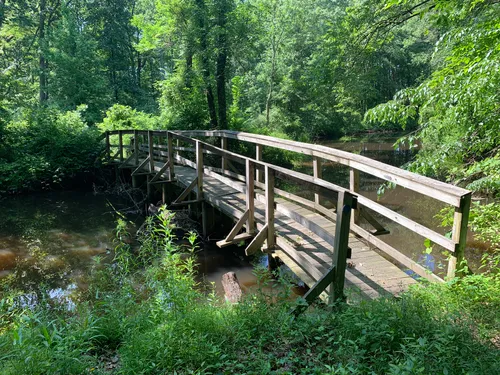
Imagine immersing yourself in the beauty of nature as you embark on a journey through the Great Swamp National Wildlife Refuge. This captivating refuge, located in New Jersey, offers a suggested hike that will leave you in awe of its stunning landscapes and diverse wildlife. Prepare to be amazed as you explore this remarkable sanctuary and embrace the tranquility that can only be found in the heart of nature.

Location
Physical Location
The Great Swamp National Wildlife Refuge is located in Morris County, New Jersey, just a short distance west of New York City. Nestled amidst the bustling urban landscape, this natural oasis covers an impressive 7,768 acres, providing a serene escape from the city’s hustle and bustle.
Proximity to New York City
Despite its proximity to the bustling metropolis of New York City, the Great Swamp remains a hidden gem for nature enthusiasts and city dwellers seeking a peaceful retreat. With its convenient location only about 30 miles west of Manhattan, it offers a perfect day trip or weekend getaway for New Yorkers looking to reconnect with nature and experience the beauty of the wetlands.
History
Establishment
The Great Swamp National Wildlife Refuge was established in 1960, as a response to the rapid urban development that threatened the delicate ecosystem of the area. This refuge serves as a testament to the importance of conserving and protecting vital wetlands and the rich biodiversity they support.
Conservation Efforts
Over the years, the refuge has become a stronghold for conservation efforts, aimed at preserving the wetland ecosystem and its inhabitants. The refuge’s dedicated staff and volunteers work tirelessly to manage invasive species, restore natural habitats, and ensure the long-term sustainability of this precious natural resource.
Ecology
Wetlands
The Great Swamp National Wildlife Refuge boasts an extensive wetland complex, comprising of marshes, bogs, and swamps. These wetlands play a crucial role in maintaining the ecological balance of the area, serving as natural water filters, flood mitigators, and vital habitats for a wide array of plants and animals.
Flora
The refuge is home to a diverse range of plant species, with over 200 identified within its boundaries. Tall grasses, cattails, and water lilies adorn the wetland areas, creating a breathtaking vista and providing food and shelter for a multitude of wildlife.
Fauna
The Great Swamp harbors a remarkable diversity of wildlife, making it a haven for nature enthusiasts and wildlife enthusiasts alike. From the iconic great blue heron and the elusive wood ducks to the elusive river otters and majestic white-tailed deer, there’s no shortage of captivating encounters with the natural world in this refuge.
Visitor Information
Hours of Operation
The Great Swamp National Wildlife Refuge is open to the public year-round. The refuge’s trails and outdoor areas are accessible from sunrise to sunset, ensuring ample time for visitors to explore and immerse themselves in this natural wonderland.
Entrance Fees
Entrance to the Great Swamp National Wildlife Refuge is free of charge, thanks to the support of federal funding and generous donations. Visitors can take advantage of this opportunity to enjoy the refuge’s beauty without any financial burden.
Trails and Activities
The refuge offers an extensive network of trails, allowing visitors to delve deep into the heart of its diverse habitats. Whether you prefer a leisurely stroll along the boardwalks or seek a more challenging hike through the forests, there are trails available to suit all abilities and interests.
Visitor Center
For those looking to enhance their visit and learn more about the refuge’s rich history and ecology, the Great Swamp Visitor Center is a must-visit. The center features informative exhibits, interactive displays, and knowledgeable staff who are eager to share their expertise and answer any questions visitors may have.

Wildlife Viewing
Optimal Times for Viewing
To maximize your chances of encountering wildlife in the Great Swamp National Wildlife Refuge, it is advisable to visit during the early morning or late afternoon when animals are typically more active. These are the prime times when birds and other creatures are most likely to be seen engaging in their daily activities.
Popular Wildlife Species
The refuge is teeming with wildlife, making it a paradise for wildlife viewing enthusiasts. Be prepared to encounter a variety of animals, including white-tailed deer, foxes, raccoons, and muskrats. If you’re lucky and observant, you may even spot some of the more elusive residents, such as bobcats and elusive river otters.
Birdwatching
Prominent Bird Species
The Great Swamp National Wildlife Refuge is renowned for its diverse avian population, attracting birdwatchers from far and wide. Keep a keen eye out for the great blue heron, a majestic wading bird that frequents the wetlands, and the colorful wood ducks, an enchanting sight as they glide across the water. Other notable bird species that call the refuge home include the red-winged blackbird, osprey, and red-tailed hawk.
Popular Birding Spots
While the refuge is a sanctuary for birds throughout its various habitats, some areas are known to be particularly attractive to our feathered friends. The Bluebird Trail, for example, offers a unique opportunity to observe Eastern bluebirds up close in their nesting boxes. The overlooks along the Wildlife Observation Center and Sussex Overlook trails also provide fantastic vantage points for spotting a multitude of bird species.

Fishing
Permit Requirements
Anglers looking to cast their lines within the Great Swamp National Wildlife Refuge must possess a valid New Jersey state fishing license. It is important to familiarize yourself with the state’s fishing regulations, including size and creel limits, to ensure you are fishing responsibly and in accordance with conservation guidelines.
Commonly Caught Fish
The refuge’s many bodies of water support a variety of fish species, providing an angler’s paradise for those seeking a peaceful fishing excursion. Commonly caught fish within the refuge include largemouth bass, pickerel, yellow perch, and black crappie. It’s always a good idea to consult with local fishing reports or talk to refuge staff to get insights into the best locations and techniques for a successful fishing experience.
Photography Opportunities
Scenic Views
The Great Swamp National Wildlife Refuge offers breathtaking vistas and unique photographic opportunities at every turn. From the expansive wetlands blanketed with vibrant cattails to the delicate wildflowers that add a pop of color to the landscape, photographers will find themselves endlessly inspired by the natural beauty of this refuge.
Wildlife Photography Tips
Capturing the perfect wildlife shot requires patience, skill, and a little bit of luck. When photographing wildlife in the Great Swamp, it is important to move slowly and quietly to avoid disturbing the animals. Using a telephoto lens will allow you to capture detailed close-ups while maintaining a safe distance. Remember to respect the animals’ space and observe them from a distance that does not cause stress or disruption to their natural behaviors.

Education and Outreach
School Programs
The Great Swamp National Wildlife Refuge offers a range of educational programs tailored specifically for school groups. These programs aim to inspire and educate young minds about the importance of wetland conservation and foster a sense of environmental stewardship. From guided hikes to hands-on activities, students have the opportunity to learn about the refuge’s flora, fauna, and ecology firsthand.
Nature Walks and Talks
For individuals and families seeking a deeper understanding of the Great Swamp’s natural wonders, the refuge hosts regular guided nature walks and informative talks. Led by knowledgeable staff and volunteers, these interactive experiences offer unique insights into the rich biodiversity of the refuge and the ongoing conservation efforts taking place.
Conservation Initiatives
Restoration Projects
The Great Swamp National Wildlife Refuge is dedicated to preserving and restoring the valuable wetland habitats within its boundaries. Ongoing restoration projects aim to recreate and enhance wetland ecosystems, focusing on the removal of invasive plant species and the reestablishment of native flora.
Environmental Education
The refuge’s commitment to education extends beyond visitors and school programs. They also work with local communities to raise awareness about wetland conservation and the vital role these habitats play in maintaining biodiversity and ecosystem health. By engaging communities in environmental initiatives and fostering a sense of responsibility, the refuge helps build a brighter future for the Great Swamp and its inhabitants.
In conclusion, the Great Swamp National Wildlife Refuge offers an exceptional opportunity to connect with nature and experience the wonders of a thriving wetland ecosystem just a stone’s throw away from the bustling New York City. From its rich history and commitment to conservation to its diverse flora and fauna, this refuge truly is a haven for nature lovers and a testament to the importance of preserving our natural heritage. So, whether you’re an avid birdwatcher, an angler, a hiker, or simply someone looking to escape the city and immerse yourself in the serenity of nature, the Great Swamp National Wildlife Refuge awaits with open arms.