
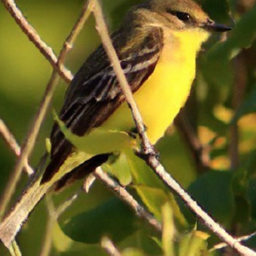
Imagine yourself standing amidst the stunning natural landscapes of Cape May, New Jersey, a place that truly deserves its reputation as a birdwatcher’s paradise. As you take in the breathtaking scenery, you can’t help but be in awe of the rich avian diversity that surrounds you. From the smallest vibrant warblers to the majestic soaring raptors, Cape May is a haven for a wide array of bird species.
In this extraordinary location, every step you take presents an opportunity to observe and appreciate the beauty of these feathered creatures. The symphony of melodies fills the air as you explore the diverse habitats that Cape May offers, from the enchanting coastal marshes to the lush forests. With each passing moment, you become more immersed in the captivating world of avifauna, marveling at their vibrant plumage and intricate behaviors.
As you venture through the trails and pathways of Cape May, you find yourself captivated by the ever-changing tableau of birdlife. Through your binoculars, you catch a glimpse of a Scarlet Tanager with its striking scarlet and black plumage. Nearby, a graceful Great Blue Heron stands stoically in the shallows, patiently waiting for its unsuspecting prey. Every sighting brings a sense of wonder and excitement, as if you have discovered a hidden secret within nature’s tapestry.
Birdwatcher’s Paradise: Discovering Cape May’s Rich Avian Diversity presents an experience like no other, where you can immerse yourself in the beauty and wonder of the avian world. So, grab your binoculars, embrace the serenity that surrounds you, and embark on an unforgettable journey to discover the countless treasures of Cape May’s feathered inhabitants.
“Birdwatcher’s Paradise: Discovering Cape May’s Rich Avian Diversity.”
Introduction
Welcome to Cape May, a beautiful coastal town in New Jersey that is not only a favorite vacation spot but also a haven for birdwatchers from all over the world. With its diverse and abundant bird population, Cape May has earned its reputation as a birdwatcher’s dream destination. In this comprehensive article, we will delve into the unique features of Cape May that make it a hotspot for avian enthusiasts, explore the key bird species found in the area, uncover the seasonal birdwatching opportunities, highlight the top birding hotspots, discuss the special events and festivals celebrating Cape May’s avian residents, examine the conservation efforts in place to protect these species, and offer some tips for successful birdwatching in this remarkable region. So grab your binoculars and join us as we embark on a journey to discover Cape May’s rich avian diversity.
Cape May: A Birdwatcher’s Dream Destination
Location and Geography
Nestled on the southern tip of New Jersey, Cape May is a picturesque peninsula surrounded by the Atlantic Ocean and the Delaware Bay. The unique combination of coastal habitats, including sandy beaches, marshlands, and woodlands, provides an ideal setting for a wide range of bird species to thrive. This geographical location makes Cape May a critical stopover point for migrating birds, attracting an impressive array of avian visitors throughout the year.
Importance of Cape May for Birds
Cape May’s importance for birds cannot be underestimated. Its strategic location along the Atlantic Flyway, a major migratory route for birds traveling between their breeding grounds in the Arctic and their wintering grounds in South America, makes it a crucial rest and refueling stop for millions of birds each year. The varied habitats found in Cape May offer an abundance of food sources and shelter, making it an enticing destination for both migrating and resident bird species.
Migration Patterns
One of Cape May’s most remarkable features is its spectacular bird migration, particularly during the spring and fall seasons. During the spring migration, which typically occurs from mid-March to early June, thousands of birds pass through Cape May as they journey northward to their breeding grounds. Similarly, in the fall migration, from August to November, a breathtaking number of birds make their way southward, utilizing Cape May as a critical stopover to rest and replenish their energy before continuing their long journey. These migration patterns create extraordinary opportunities for birdwatchers to witness the awe-inspiring display of avian diversity in Cape May.
Key Bird Species in Cape May
Peregrine Falcon
One of the most iconic bird species in Cape May is the Peregrine Falcon. Known for its extraordinary speed and agility, the Peregrine Falcon is a master of aerial hunting. Cape May provides an ideal environment for these majestic raptors due to the abundance of suitable nesting sites and a diverse range of prey species. Observing the graceful flight and impressive hunting techniques of the Peregrine Falcon is a highlight of any birdwatching experience in Cape May.
Red Knot
The Red Knot, known for its long-distance migrations, is another prominent avian resident of Cape May. These medium-sized shorebirds have an incredible journey that spans thousands of miles, from their breeding grounds in the Arctic to their wintering grounds in South America. Cape May’s pristine beaches and intertidal mudflats provide a crucial feeding ground for Red Knots during their stopover, as they replenish their energy reserves before continuing their arduous journey.
Clapper Rail
The marshes and wetlands of Cape May are home to the secretive Clapper Rail. These elusive birds are known for their distinctive call, which mimics the sound of clapping hands and gives them their name. With their well-camouflaged plumage and stealthy behavior, spotting a Clapper Rail can be a delightful challenge for birdwatchers exploring the marshy habitats in Cape May.
Black Skimmer
At Cape May’s coastal areas, one can often witness the remarkable aerial antics of the Black Skimmer. With its unique beak that features a lower mandible longer than the upper, the Black Skimmer skims the water’s surface while in flight, capturing small fish and invertebrates. Watching these elegant birds effortlessly glide along the shoreline is a true joy for birdwatchers of all ages.
Northern Gannet
One cannot discuss Cape May’s birds without mentioning the majestic Northern Gannet. These magnificent seabirds are known for their striking white plumage and impressive diving abilities. Cape May provides an excellent vantage point to observe these graceful birds as they plunge headfirst into the ocean to catch fish, displaying their remarkable aerial acrobatics.
Seasonal Birdwatching Opportunities
Spring Migration
Spring is undoubtedly an exhilarating time for birdwatchers in Cape May, as countless species pass through during their northward migration. Warblers, thrushes, flycatchers, and many other songbirds fill the woodlands, creating a symphony of melodic tunes. The air is abuzz with activity, and avid birdwatchers can expect to witness a vibrant display of colors as these feathered travelers make their way to their breeding grounds.
Summer Breeding
While the spring migration is a notable highlight, Cape May also offers rewarding opportunities for birdwatching during the summer months. Many bird species choose Cape May as their breeding grounds, including iconic shorebirds like Piping Plovers and Least Terns. Exploring the beaches, dunes, and salt marshes during this time allows birdwatchers to observe fascinating behaviors, such as courtship displays and nest building, as birds raise their young in this serene coastal habitat.
Fall Migration
The fall migration is often considered the crown jewel of birdwatching in Cape May. From late summer through fall, the skies are filled with a remarkable variety of birds as they embark on their long journey south. Raptors, waterfowl, and songbirds can be spotted in abundance, thrilling birdwatchers with their graceful flight and captivating plumage. The Cape May Hawkwatch, a renowned observatory, becomes a hub of activity as birdwatchers gather to witness the impressive spectacle of raptor migration.
Winter Visitors
Even during the colder months, Cape May remains a destination worth visiting for avid birdwatchers. The region attracts an array of winter visitors seeking refuge from harsher climates, including waterfowl, such as Snow Geese and Brant, and raptors like the Northern Harrier. Exploring the coastal areas and wetlands can yield unique opportunities to observe these hardy birds as they adapt to the winter conditions.
Top Birding Hotspots in Cape May
Cape May Point State Park
Cape May Point State Park is a true gem for birdwatching enthusiasts. This stunning natural area boasts diverse habitats, including coastal dunes, forests, and freshwater ponds, which attract a wide variety of birds. Its location on the peninsula’s tip also makes it a prime spot for witnessing the spectacle of migration, as countless birds pass through this area during their journey. The bird observation platform provides a panoramic view of the surrounding landscape, allowing birdwatchers to savor the beauty of Cape May’s avian residents.
Higbee Beach Wildlife Management Area
Higbee Beach Wildlife Management Area is a renowned haven for birdwatchers, especially during the migration seasons. The mix of woodlands, shrubbery, and transitional habitats acts as a magnet for migratory songbirds, which fill the area with their vibrant colors and melodic songs. The “Morning Flight” phenomenon, where birds take off in large numbers at daybreak, is a must-see spectacle that draws birdwatchers to this unique location.
Cape May Bird Observatory
The Cape May Bird Observatory is a vital institution that serves as a hub for bird research, education, and conservation efforts in Cape May. Visitors can not only access valuable resources and information but also explore the surrounding trails and observation platforms within the observatory’s property. The observatory offers programs, workshops, and guided birding tours, providing both novice and experienced birdwatchers with opportunities to enhance their knowledge and appreciation of Cape May’s avian wonders.
Cape May National Wildlife Refuge
Stretching over 11,000 acres, the Cape May National Wildlife Refuge is a sanctuary for a diverse range of wildlife, including numerous bird species. The refuge’s various habitats, such as wetlands, forests, and grasslands, support a rich avian population year-round. The trails and observation points within the refuge offer birdwatchers unparalleled opportunities to observe and connect with nature, immersing themselves in a truly awe-inspiring environment.
Special Birding Events and Festivals
World Series of Birding
Every May, Cape May hosts the World Series of Birding, a globally recognized event that brings together birdwatching enthusiasts in friendly competition. Teams explore Cape May’s diverse habitats, aiming to spot as many bird species as possible within a 24-hour timeframe. The event not only promotes birdwatching as a recreational activity but also raises funds for bird conservation. Whether participating or spectating, the World Series of Birding is an exciting event that unites people with a shared passion for birds.
Cape May Fall Festival
The Cape May Fall Festival is another eagerly anticipated event for bird enthusiasts. Held annually in October, the festival celebrates Cape May’s seasonal bird migration and offers a range of activities, including guided bird walks, workshops, lectures, and art exhibitions. The festival provides a platform for experts to share their knowledge and experiences, while visitors can immerse themselves in the vibrant birding community and forge new connections with fellow enthusiasts.
Springwatch
Springwatch is an event that embraces the arrival of migratory songbirds in Cape May during the spring season. It offers a unique opportunity for birdwatchers to witness the immense variety of songbird species in the area as they rest and refuel before continuing their journey. Guided walks, informative talks, and workshops provide a comprehensive experience for both novice and seasoned birdwatchers, fostering an appreciation for the beauty and diversity of Cape May’s spring migration.
Cape May Autumn Birding Festival
The Cape May Autumn Birding Festival celebrates the abundance of avian activity during the fall migration, showcasing Cape May’s natural wonders. This festival combines expert-guided bird walks, boat tours, and lectures, enabling participants to explore various habitats and witness the incredible diversity of species passing through or settling in Cape May. The festival not only educates visitors about Cape May’s birds but also raises awareness about the importance of conserving their habitats.
Conservation Efforts for Avian Species
Preserving Habitat
Preserving critical habitats is vital for the long-term survival of Cape May’s avian species. Various organizations and government bodies actively work to protect and restore these habitats, such as the salt marshes, dunes, and woodlands. Wetland conservation projects aim to maintain the integrity of these essential ecosystems, ensuring ideal conditions for both resident and migratory birds. By preserving these habitats, Cape May can continue to serve as a sanctuary for countless species.
Raising Awareness
Raising awareness about the importance of bird conservation is a crucial part of preserving Cape May’s avian population. Efforts to engage the local community, visitors, and schools include educational programs, workshops, and public events that highlight the significance of birds in the ecosystem. By creating a sense of stewardship and shared responsibility, these initiatives inspire individuals to actively participate in protecting Cape May’s avian treasures.
Research and Monitoring
Ongoing research and monitoring programs play a vital role in understanding the needs and behaviors of Cape May’s avian species. Organizations such as the Cape May Bird Observatory collaborate with researchers, ornithologists, and citizen scientists to collect valuable data on bird populations and their migration patterns. This information aids in implementing effective conservation strategies, ensuring the long-term sustainability of Cape May’s rich avian diversity.
Tips for Successful Birdwatching in Cape May
Bring Binoculars and Field Guide
When embarking on a birdwatching adventure in Cape May, your essential companions are a good pair of binoculars and a field guide specific to the region. Binoculars allow you to observe birds up close without disturbing their natural behavior, while a comprehensive field guide helps identify different species based on their appearance, behavior, and vocalizations. These tools are invaluable aids that enhance the overall birding experience.
Dress Appropriately
Cape May’s weather can be unpredictable, so it’s crucial to dress appropriately for your birdwatching excursions. Layering your clothing allows you to adjust to changing temperatures, while lightweight, breathable fabrics keep you comfortable during long walks. Don’t forget to wear sturdy footwear suitable for various terrains, including sandy beaches, wetlands, and woodland trails.
Respect Wildlife and Their Habitat
As a responsible birdwatcher, it is essential to respect the wildlife and their habitats in Cape May. Keep a comfortable distance from the birds to avoid causing stress or disturbance, especially during nesting periods. Observe birds quietly and minimize sudden movements that could startle them. Respecting their natural behavior ensures that the birds can go about their daily activities undisturbed.
Join Guided Birding Tours
For those new to birdwatching or seeking expert guidance, joining guided birding tours is an excellent way to maximize your birding experience in Cape May. Knowledgeable guides not only help identify species but also share valuable insights about bird behavior, migration patterns, and local ecology. You’ll gain a deeper understanding and appreciation for Cape May’s avian wonders with the help of these seasoned experts.
Practice Ethical Birdwatching
Ethical birdwatching is crucial for the well-being of both birds and their habitats. Avoid overcrowding birding areas or disturbing wildlife for the sake of a closer look. Stay on designated trails to minimize habitat disruption and do not disturb nesting sites or disturb other wildlife. By practicing ethical birdwatching, you contribute to the conservation efforts in place and help maintain the delicate balance between humans and birds in Cape May.
Photographing Birds in Their Natural Environment
Choosing the Right Equipment
Photographing birds in their natural environment requires specialized equipment. A DSLR or mirrorless camera with a telephoto lens will allow you to capture birds from a distance, preserving their natural behaviors. Consider the focal length of the lens, as it determines the amount of magnification you can achieve. Additionally, a sturdy tripod or monopod can help stabilize your camera and ensure sharp images.
Understanding Light and Composition
Lighting plays a crucial role in bird photography. Pay attention to the direction and quality of light to capture birds with optimal clarity and color. Experiment with different compositions, utilizing the surrounding environment to create visually appealing images. Incorporate elements such as leading lines, interesting patterns, or contrasting textures to add depth and interest to your photographs.
Patience and Persistence
Photographing birds requires patience and persistence. Birds are incredibly agile and swift, making it a challenge to capture them in action. Be prepared to spend time waiting for the right moment. Observing bird behavior can help you anticipate their movements and increase your chances of capturing that elusive shot. Embrace the process and be persistent, as rewarding images often come to those who persevere.
Conclusion
Cape May truly lives up to its reputation as a birdwatcher’s paradise, offering a captivating blend of natural beauty and avian diversity. From the spring migration to winter visitors, Cape May provides year-round opportunities for birdwatchers to encounter a remarkable array of species. With its top birding hotspots, special events and festivals, and ongoing conservation efforts, Cape May remains a cherished destination for bird enthusiasts worldwide. So grab your binoculars, immerse yourself in the splendor of Cape May’s birdlife, and create cherished memories with each captivating sighting. Happy birdwatching!