
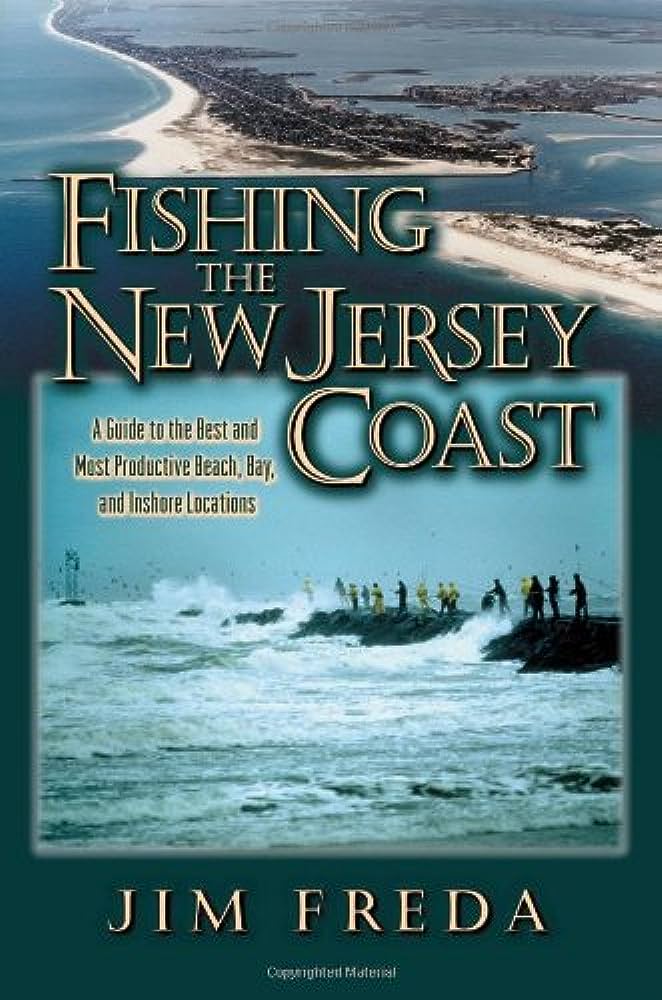
Whether you’re a seasoned angler or a beginner looking to cast your line for the first time, New Jersey offers a wide range of fishing spots that are perfect for beginners. From tranquil lakes to scenic rivers, the Garden State provides an abundance of options to explore and reel in your first catch. This guide will take you through some of the top fishing spots in New Jersey, providing you with all the essential information you need to get started on your fishing adventure. So grab your rod, pack your gear, and get ready to discover the joy of fishing in the beautiful state of New Jersey.

Choosing the Right Equipment
Fishing is an enjoyable and relaxing activity that can be enjoyed by people of all ages. To get started, you’ll need to make sure you have the right equipment. Let’s take a look at some essential fishing gear.
Fishing Rods
A fishing rod is a crucial tool that allows you to cast your line into the water and reel in your catch. When choosing a fishing rod, it’s essential to consider the type of fishing you plan to do. For beginners, a spinning rod is often the best choice. They are easy to use and versatile, making them perfect for a variety of fishing situations.
Fishing Reels
Alongside a fishing rod, you’ll need a reel to hold and release your fishing line. Spinning reels are a popular choice for beginners because they are easy to operate and offer good control. They also provide a smooth and consistent drag that allows you to reel in your catch effortlessly.
Fishing Line
Selecting the right fishing line is crucial for a successful fishing trip. Monofilament fishing line is a great choice for beginners. It is affordable, easy to handle, and offers excellent strength and durability. Make sure to choose a line weight and length appropriate for the fishing conditions you’ll encounter.
Fishing Tackle
Tackle refers to the various tools and equipment you’ll need while fishing. Essential tackle items include hooks, sinkers, bobbers, and swivels, among others. It’s a good idea to invest in a tackle box to keep your gear organized and easily accessible.
Fishing Bait
Choosing the right bait is essential as it will determine the type of fish you are likely to attract. For beginners, live bait such as worms and minnows are often the best option. They are readily available and can be effective for a wide variety of fish species. You can also experiment with artificial lures, which come in various shapes and colors to mimic the movement of natural prey.
Understanding Fishing Regulations
Before you head out to your favorite fishing spot, it’s important to familiarize yourself with the fishing regulations in your area. This will ensure that you are fishing legally and responsibly. Let’s explore some key aspects of fishing regulations.
Fishing Licenses
Most states require anglers to have a fishing license before casting their lines. This helps fund conservation efforts and ensures that fishing remains sustainable for future generations. Check with your local fish and wildlife agency to learn about the requirements and options for obtaining a fishing license in your area.
Size and Bag Limits
To protect fish populations, fishing regulations often include size and bag limits. Size limits specify the minimum size a fish must be to legally keep it, while bag limits dictate the maximum number of fish you can keep in a day. Adhering to these limits helps maintain healthy fish populations and ensures fair fishing practices.
Catch and Release Practices
Catch and release is a common practice among anglers that involves releasing fish back into the water after they are caught. It is an important conservation strategy that helps protect fish populations and their habitats. When practicing catch and release, make sure to handle the fish gently, minimize stress, and release them quickly and safely. Using barbless hooks can also make it easier to release fish without causing harm.
Researching Fishing Spots
Finding the right fishing spot is essential to increasing your chances of success. Whether you prefer freshwater or saltwater fishing, let’s explore some types of fishing locations in more detail.
Freshwater Fishing Locations
New Jersey is home to numerous freshwater fishing opportunities, with its many lakes, ponds, and reservoirs. Popular freshwater fishing spots include Round Valley Reservoir, Lake Hopatcong, and Spruce Run Reservoir. These locations offer a variety of fish species, including bass, trout, and panfish.
Saltwater Fishing Locations
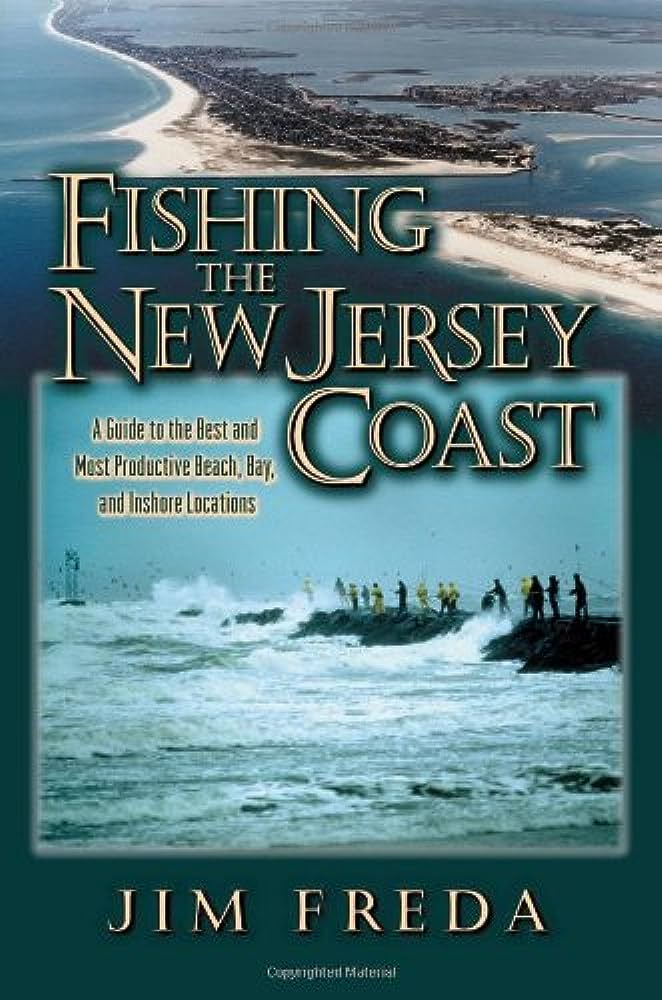
If you’re more interested in saltwater fishing, New Jersey’s coastline offers excellent opportunities. From the sandy beaches of Sandy Hook to the bustling fishing piers of Atlantic City, there are plenty of spots to cast your line. Popular saltwater species include striped bass, bluefish, flounder, and weakfish.
Ponds and Lakes
Ponds and lakes are ideal for beginners as they often have easily accessible shorelines and are stocked with fish. Look for areas with ample vegetation and structure, such as fallen trees or rock formations. These provide hiding places for fish and increase your chances of a successful catch.
Rivers and Streams
Rivers and streams are dynamic fishing environments, offering a wide variety of fish species. Look for areas with calm pools, eddies, or riffles, as these are often where fish congregate. It’s also crucial to check fishing regulations, as some rivers and streams may have specific rules or restrictions.
Ocean and Shoreline
For those looking for a more adventurous fishing experience, the Atlantic Ocean and New Jersey’s shoreline offer rich fishing grounds. From surf fishing on the beach to chartering a boat for deep-sea fishing, there are options for all skill levels. Be mindful of weather conditions and any specific regulations regarding fishing in marine areas.
Safety Precautions for Beginners
Fishing is generally a safe activity, but it’s always important to prioritize safety. Here are some key safety precautions for beginners to keep in mind.
Weather Conditions
Before heading out, check the weather forecast to ensure safe fishing conditions. Avoid fishing during storms, strong winds, or extreme temperatures. Dress appropriately for the weather and bring additional layers in case it gets colder.
Wearing Proper Attire
Wearing the right clothing and accessories is essential for comfort and safety while fishing. Opt for loose-fitting, light-colored clothing that provides sun protection. It’s also a good idea to wear a hat, sunglasses, and sunscreen to protect yourself from the sun’s harmful rays.
Understanding Water Hazards
When fishing near bodies of water, it’s crucial to be aware of potential hazards. These may include slippery rocks, deep water, swift currents, or underwater obstructions. Take your time, watch your step, and avoid fishing alone, especially in unfamiliar locations.
Basic First Aid Knowledge
Having basic first aid knowledge can be helpful in case of any minor injuries while fishing. Carry a small first aid kit that includes items such as bandages, antiseptic wipes, and pain relievers. Familiarize yourself with basic first aid techniques, such as treating cuts, bruises, and fish hook injuries.
Learning Fishing Techniques
To become a skilled angler, it’s important to learn various fishing techniques. Let’s explore some common techniques for beginners.
Casting and Retrieving
Casting and retrieving is a fundamental fishing technique used in both freshwater and saltwater fishing. Practice your casting skills by aiming for a specific target, and work on your retrieval technique to mimic the movements of injured or fleeing prey.
Trolling
Trolling is a technique that involves towing a lure or bait behind a moving boat. It’s an effective method for covering large areas and targeting freshwater or saltwater fish species that swim in open water. Use different trolling speeds and adjust your bait depth to increase your chances of success.
Bottom Fishing
Bottom fishing involves dropping your bait or lure to the bottom of the water and waiting for fish to bite. This technique is commonly used to target bottom-dwelling species such as flounder, grouper, or catfish. Make sure to choose the right weight and hook size for the depth and fish you’re targeting.
Fly Fishing
Fly fishing is a popular angling method that involves using an artificial fly to attract fish. It requires practice and finesse in casting and manipulating the fly on the water’s surface. This technique is commonly used for trout and bass fishing in freshwater environments.
Ice Fishing
Ice fishing is a unique fishing experience typically done during winter months on frozen lakes or ponds. It involves drilling a hole through the ice and dropping your baited line. Specialized equipment, such as ice augers and ice fishing shelters, are essential for this technique.
Identifying Common Fish Species
Knowing the different fish species you might encounter while fishing adds to the overall experience. Let’s take a closer look at some common fish species in New Jersey.
Trout
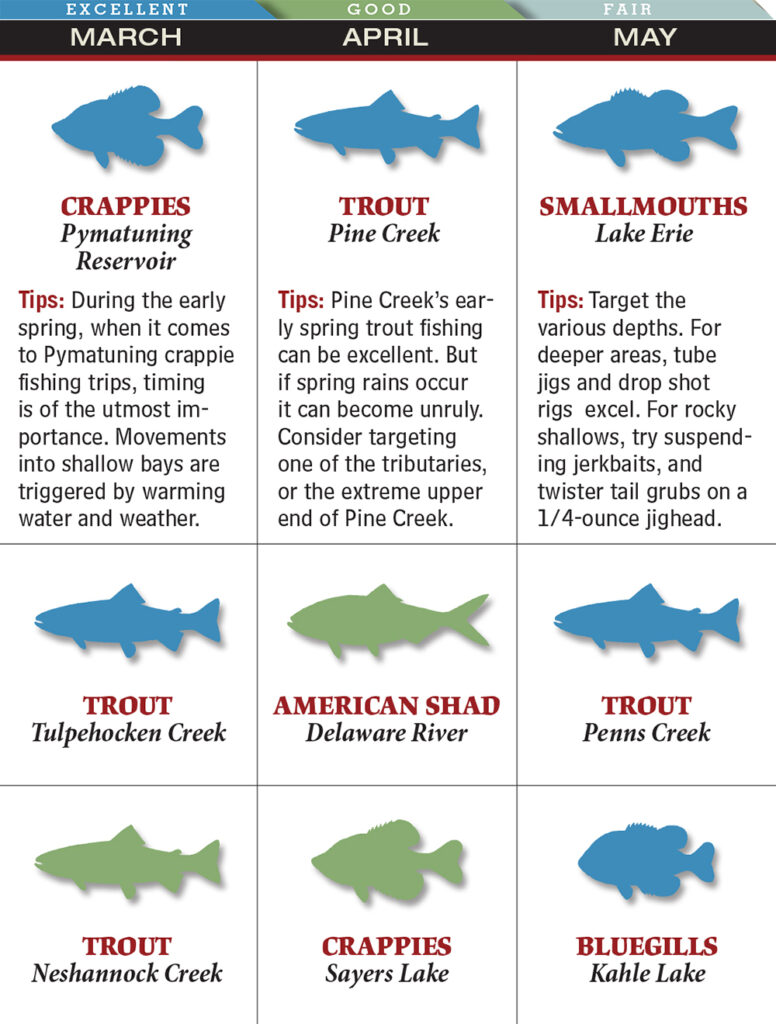
Trout are popular freshwater game fish that are known for their fighting ability and delicious taste. New Jersey offers several trout species, including rainbow trout, brown trout, and brook trout. They can be found in rivers, streams, and stocked lakes.
Bass
Both largemouth bass and smallmouth bass can be found in New Jersey’s freshwater bodies. They are aggressive predators and provide an exciting challenge for anglers. Look for them near submerged structures such as fallen trees, rocks, or weed beds.
Flounder
Flounder are flatfish that are highly sought after for their delicate flesh. They can be found along New Jersey’s coastal areas, particularly in estuaries and near the mouths of rivers. Flounder fishing typically involves using bait such as squid or minnows.
Bluefish
Bluefish are known for their aggressive nature and hard-fighting ability. They are found in New Jersey’s coastal waters and are particularly abundant during the warmer months. Bluefish are often targeted using lures, such as spoons or topwater plugs.
Striped Bass
Striped bass, also known as stripers, are highly prized game fish in New Jersey. They can be found in both freshwater and saltwater environments, making them a popular target for anglers. Striped bass fishing is often done using live or artificial bait, such as eels or soft plastic lures.

Preparing Fishing Gear
Proper maintenance and organization of your fishing gear are essential for its longevity and optimal performance. Here are some tips for preparing your fishing gear.
Line and Reel Maintenance
Inspect your fishing line regularly for any wear or damage. Replace it if necessary, as a compromised line can lead to lost fish. Clean your fishing reel according to the manufacturer’s instructions, removing any dirt, debris, or saltwater residue. Lubricate moving parts to ensure smooth operation.
Tackle Box Organization
Having a well-organized tackle box saves time and ensures you have the right tackle readily available. Sort your tackle by category, such as hooks, sinkers, and lures. Use small compartments or tackle trays to keep everything neatly organized and easily accessible.
Cleaning and Preserving Catch
If you plan on keeping your catch, it’s important to handle it properly to maintain its quality. Keep a cooler with ice or a live well onboard to ensure your fish stay fresh. Once you’re done fishing, clean your fish promptly and store them on ice until you’re ready to cook them.
Choosing the Right Time to Fish
The timing of your fishing trip can greatly impact your chances of success. Let’s consider some factors to help you choose the right time to fish.
Seasonal Variations
Different fish species may exhibit different behaviors depending on the season. Some fish are more active during certain times of the year, while others may change their feeding patterns. Research the seasonal variations for the fish species you’re targeting to plan your fishing trips accordingly.
Tidal Times and Movements
If you’re fishing in saltwater areas, pay attention to the tides. Certain species, such as striped bass and bluefish, are known to be more active during specific phases of the tide. Explore tide charts to determine the ideal times for fishing in coastal areas.
Moon Phases
The moon’s phases can also influence fish behavior. Many anglers believe that fishing during specific moon phases, such as the new moon or full moon, can increase their chances of success. Experiment with different moon phases to see if you notice any patterns in fish activity.
Weather Patterns
Weather conditions can greatly impact fish behavior. Pay attention to barometric pressure, wind direction, and cloud cover, as these factors can influence how fish feed. Overcast days and slight breezes are often favorable for fishing, as fish may be more active and less wary.
Understanding Knots and Rigs
Knowing how to tie various knots and rigs is essential for securing your fishing line and connecting different components of your tackle. Let’s explore some essential concepts.
Basic Knots for Beginners
For beginners, learning a few simple knots can greatly enhance your fishing experience. The improved clinch knot is commonly used to secure terminal tackle, while the Palomar knot is a popular choice for attaching hooks or lures. Practice tying these knots until you can tie them confidently and securely.
Rigging Techniques
Rigging refers to the process of setting up your fishing tackle to attract and catch fish. Depending on the fishing technique and target species, different rigs may be more effective. Common rigs include Carolina rigs, drop shot rigs, and bobber rigs. Understand the purpose and construction of each rig to make informed decisions on which one to use.
Leader and Swivel Selection
Leaders are lengths of line attached to the end of your main fishing line. They are typically made of thicker and more abrasion-resistant material. Fishing with leaders can help prevent break-offs when targeting larger or toothy fish species. When using leaders, make sure to match the strength and type of leader material to your fishing conditions and target species. Swivels are small connectors that allow your line to rotate freely and prevent line twist. Select swivels that can handle the weight and strength of your fishing line and won’t impede your casting or retrieval.
Joining Fishing Communities
Fishing communities offer a wealth of knowledge and camaraderie for anglers of all levels. Let’s take a look at how you can connect with fellow fishing enthusiasts.
Local Fishing Clubs
Joining a local fishing club can provide opportunities to meet experienced anglers and gain valuable insights into the local fishing scene. Many fishing clubs organize fishing trips, competitions, and educational events. Participating in these activities can help you improve your skills and build lifelong friendships with fellow anglers.
Online Fishing Forums
The internet has made it easier than ever to connect with other anglers from around the world. Online fishing forums and social media groups provide platforms for sharing fishing experiences, asking questions, and learning from experienced anglers. Engage in discussions, ask for advice, and contribute your own knowledge to the fishing community.
Attending Fishing Events
Fishing events, such as fishing expos, tournaments, and workshops, are great opportunities to learn from experts and connect with fellow anglers. These events often feature demonstrations, seminars, and product showcases. Attend these events to expand your knowledge, discover new techniques, and meet like-minded individuals who share your passion for fishing.
By following these tips and guidelines, you’ll be well on your way to becoming a confident and successful angler. Remember to always respect the environment, practice ethical fishing practices, and enjoy the serenity and beauty of nature that fishing provides. Happy fishing!
